Diia

This website is in test mode
We apologise for any temporary inconvenience. The information on this website is continually updated and expanded.

We apologise for any temporary inconvenience. The information on this website is continually updated and expanded.
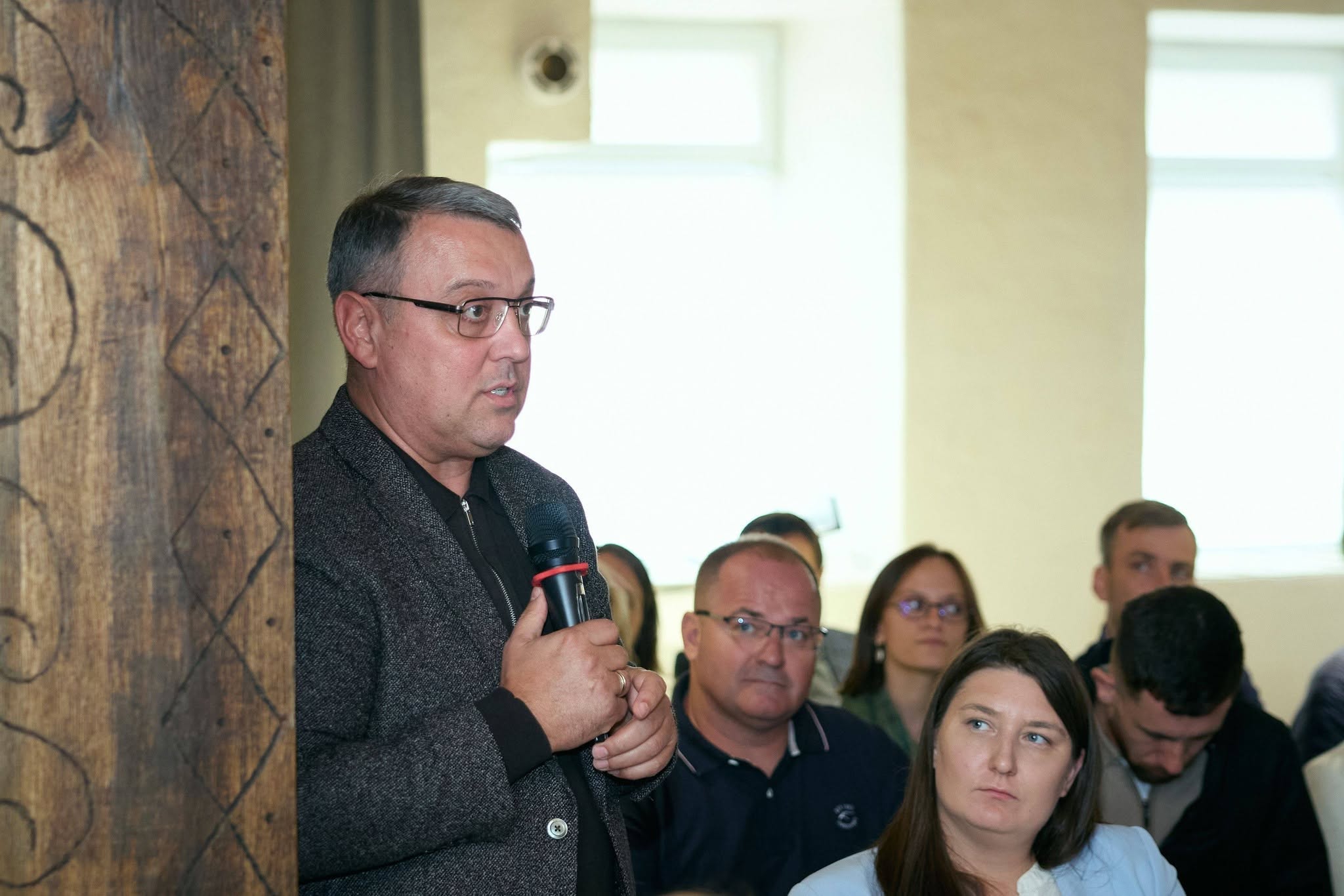
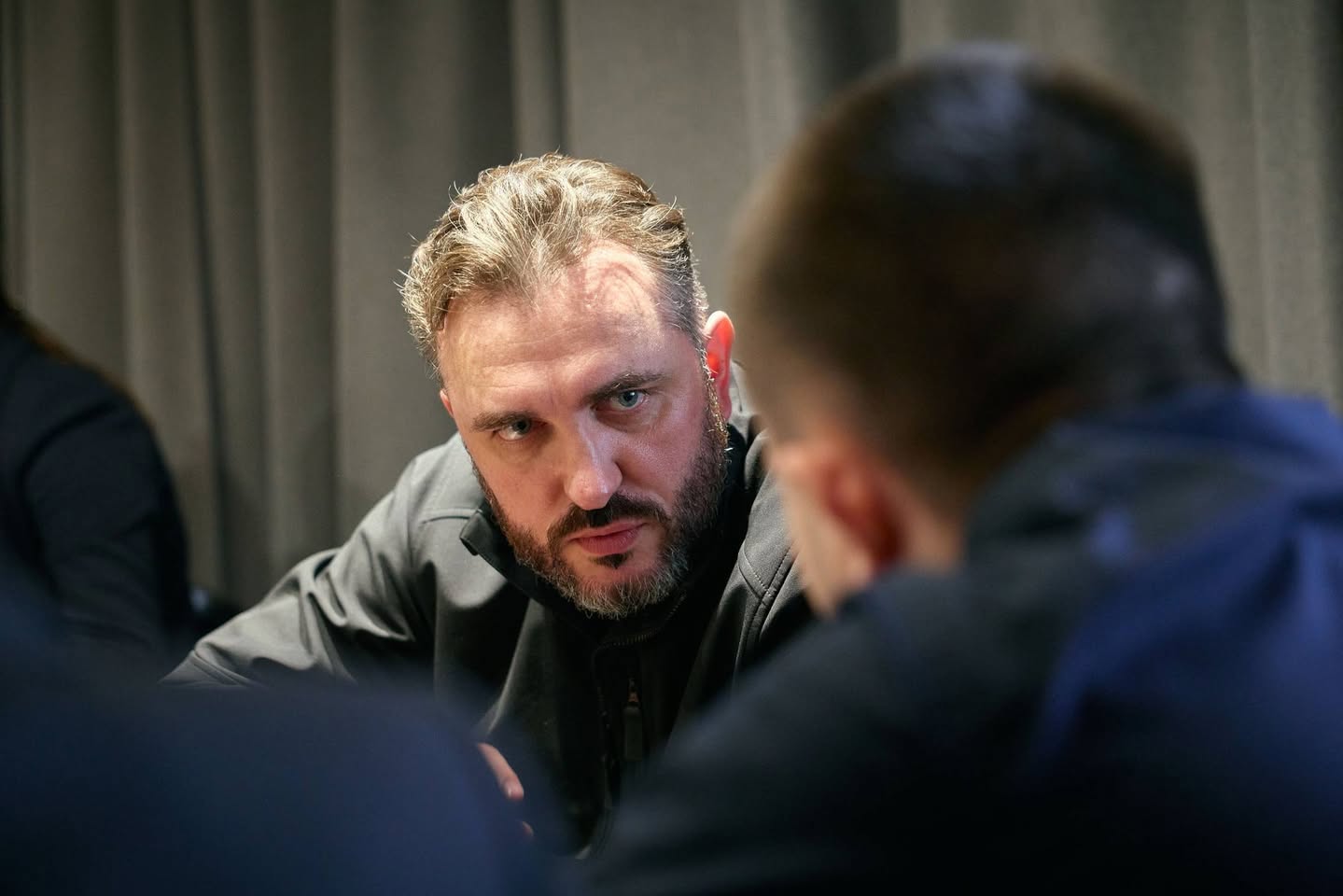
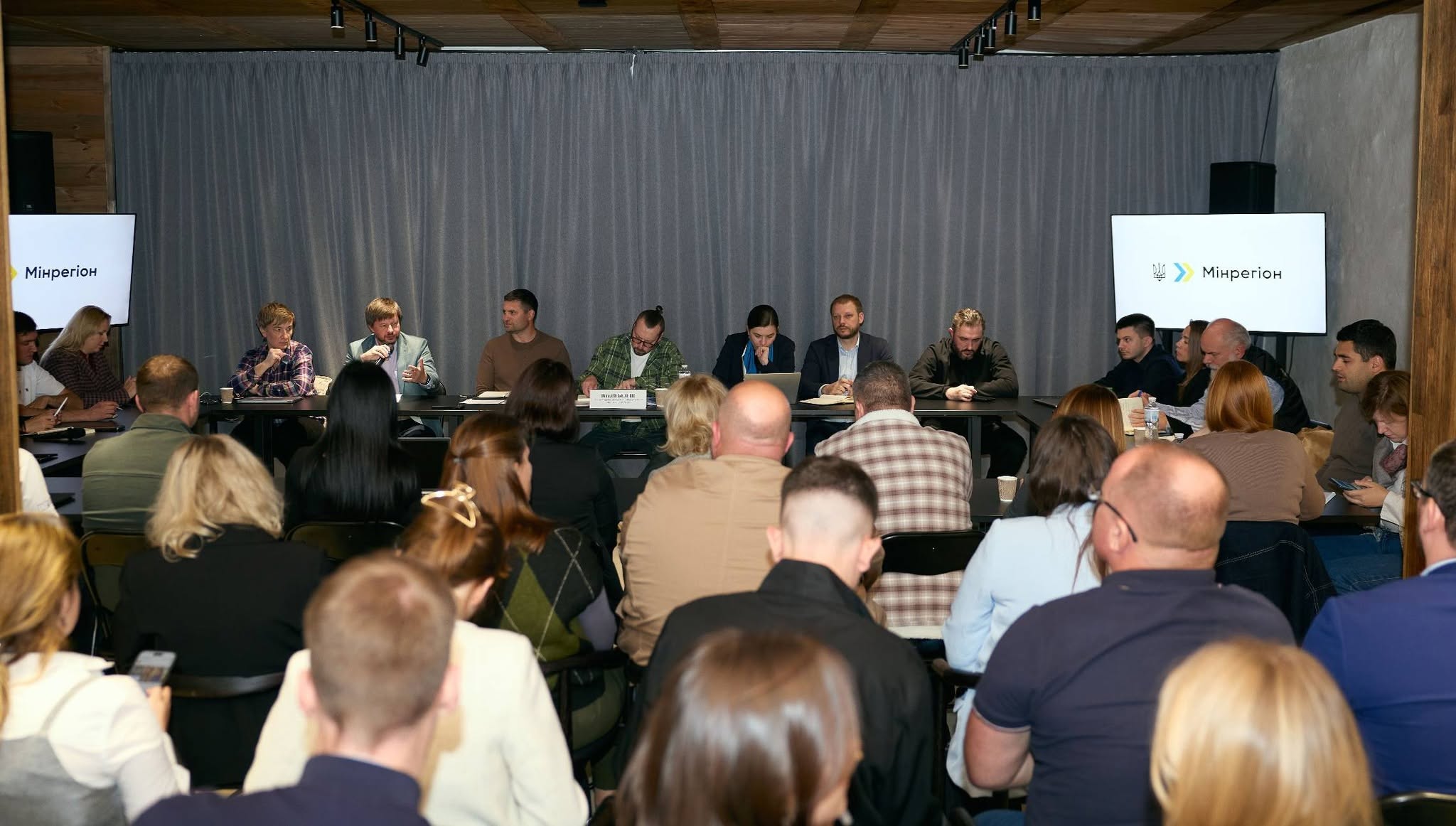
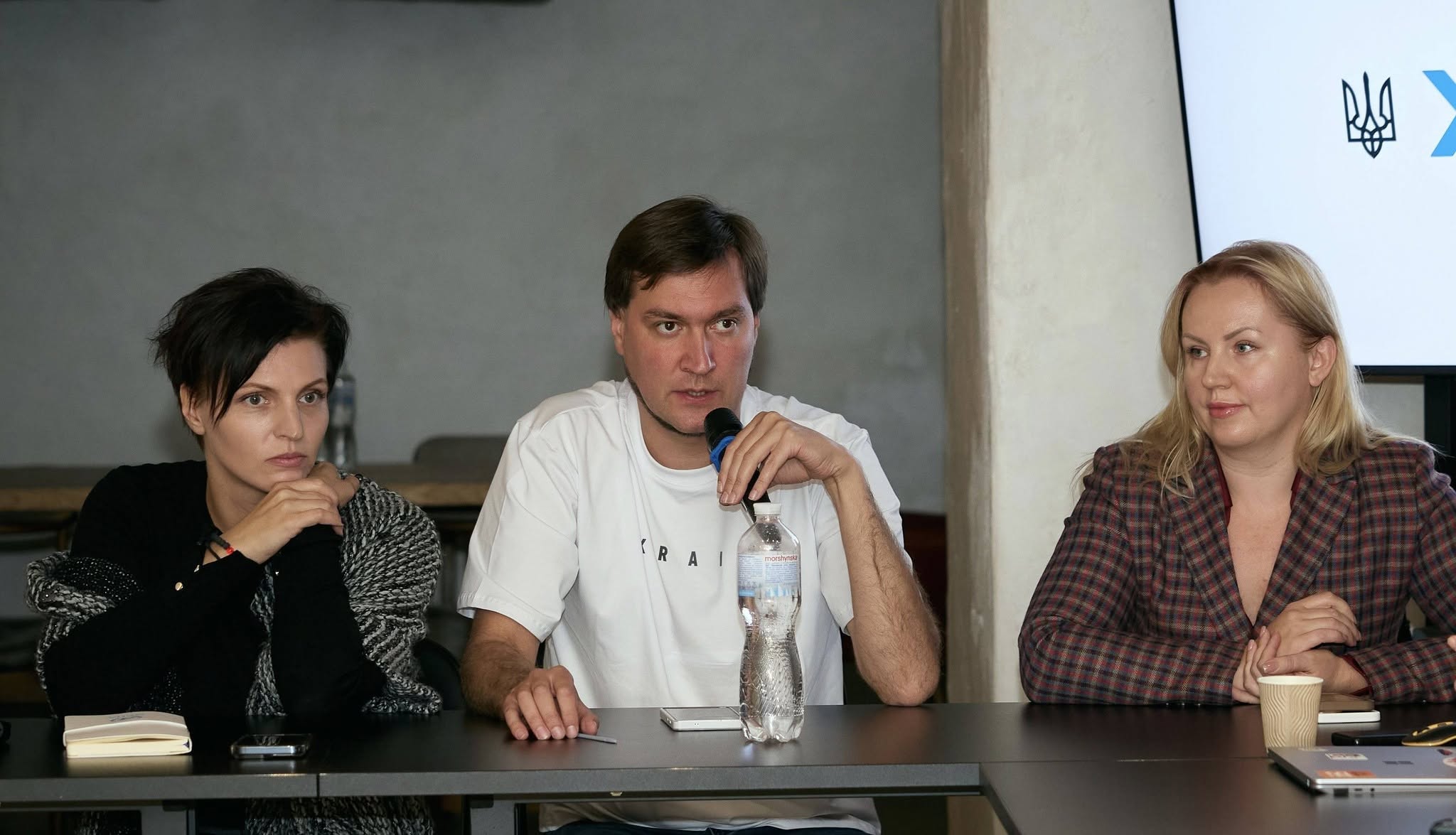
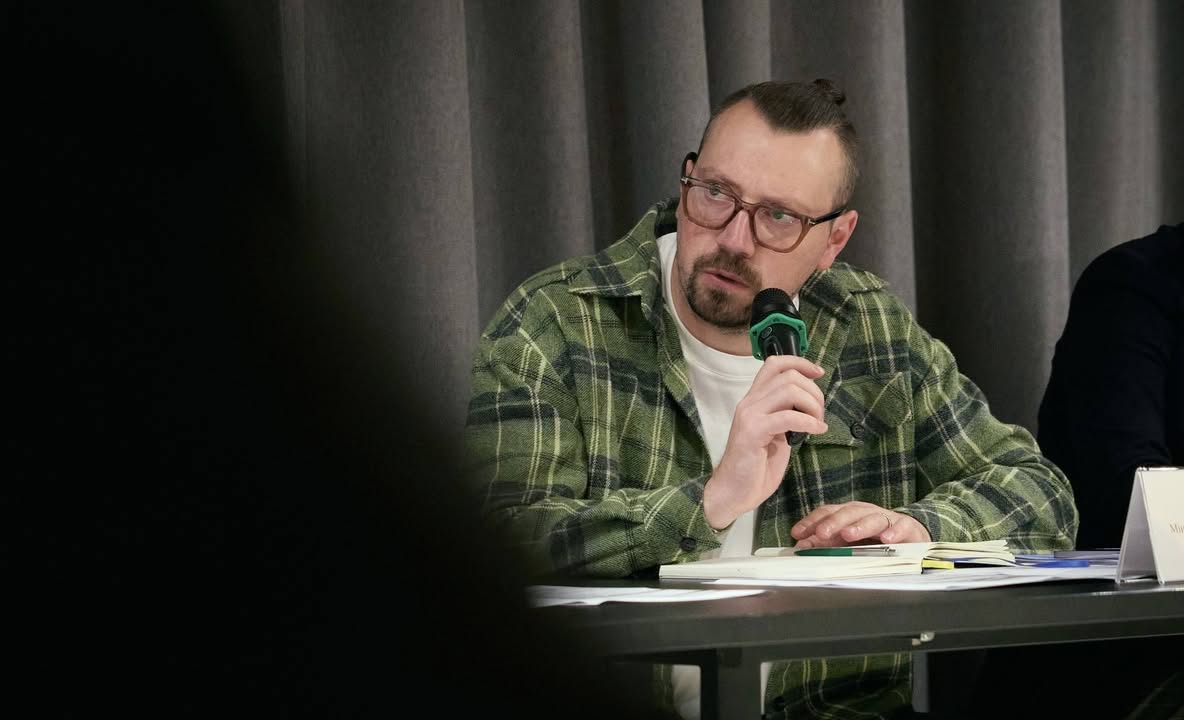
More than 60 participants joined the discussion, in person and online.
They discussed full-cycle evacuation and support for IDPs, transit centres, housing solutions and continued support for those forced to leave their homes.
It was important to hear from those working with people in the country’s most dangerous areas. The discussion therefore focused primarily on concrete problems and weak points where the system is not working as it should today.
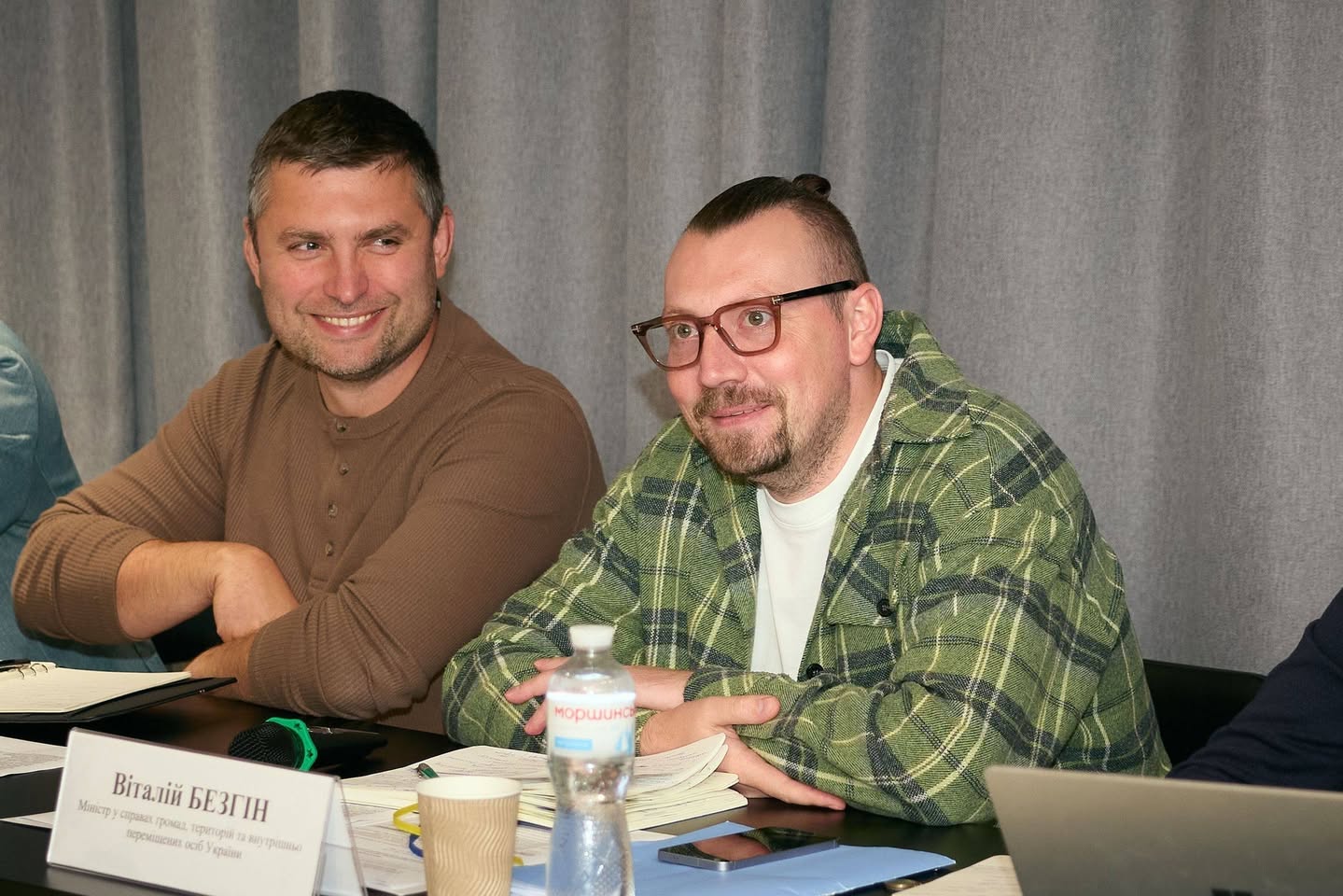
“It is important for us to maintain a constant, substantive dialogue with partners providing humanitarian assistance. We all see the problems IDPs face. Our task is to seek answers to these issues together,” emphasised Vitalii Bezghin.
▪️ One result of the meeting was a decision to develop a strategic framework for cooperation between the state, communities and humanitarian partners. We must avoid duplication of efforts and respond more quickly to the critical needs of people and communities.
▪️ The participants also discussed the work of the Commission for Establishing the Fact of Deprivation of Personal Liberty as a Result of Armed Aggression against Ukraine. We must make its work more effective and its processes better.
▪️ Regarding the Evacuation Coordination Headquarters, following the discussion its structure will be changed and representatives of humanitarian organisations with practical experience in organising evacuation processes will be involved. A regular format for such working meetings is planned.
"I thank civil society organisations, foundations, volunteers and everyone who saves people under shelling on the front line for this frank meeting. You are doing tremendous work! Together, we have outlined the state’s role: to preserve and strengthen what is already working", emphasised Vitalii Bezghin.