Diia

This website is in test mode
We apologise for any temporary inconvenience. The information on this website is continually updated and expanded.

We apologise for any temporary inconvenience. The information on this website is continually updated and expanded.
During the years of full-scale war, Kharkiv region has built an evacuation system that helps people leave dangerous areas, receive the support they need and find temporary shelter every day.
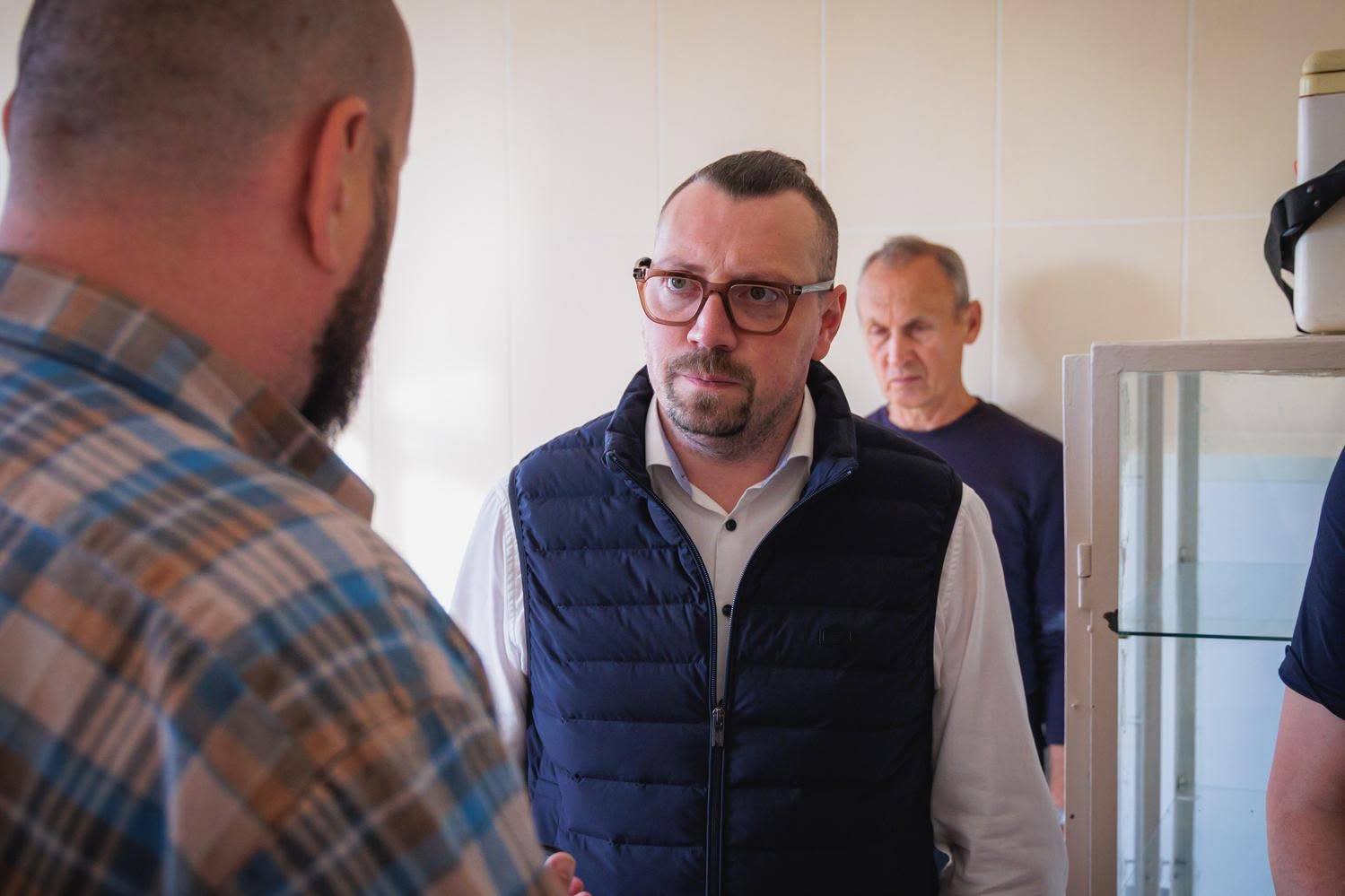
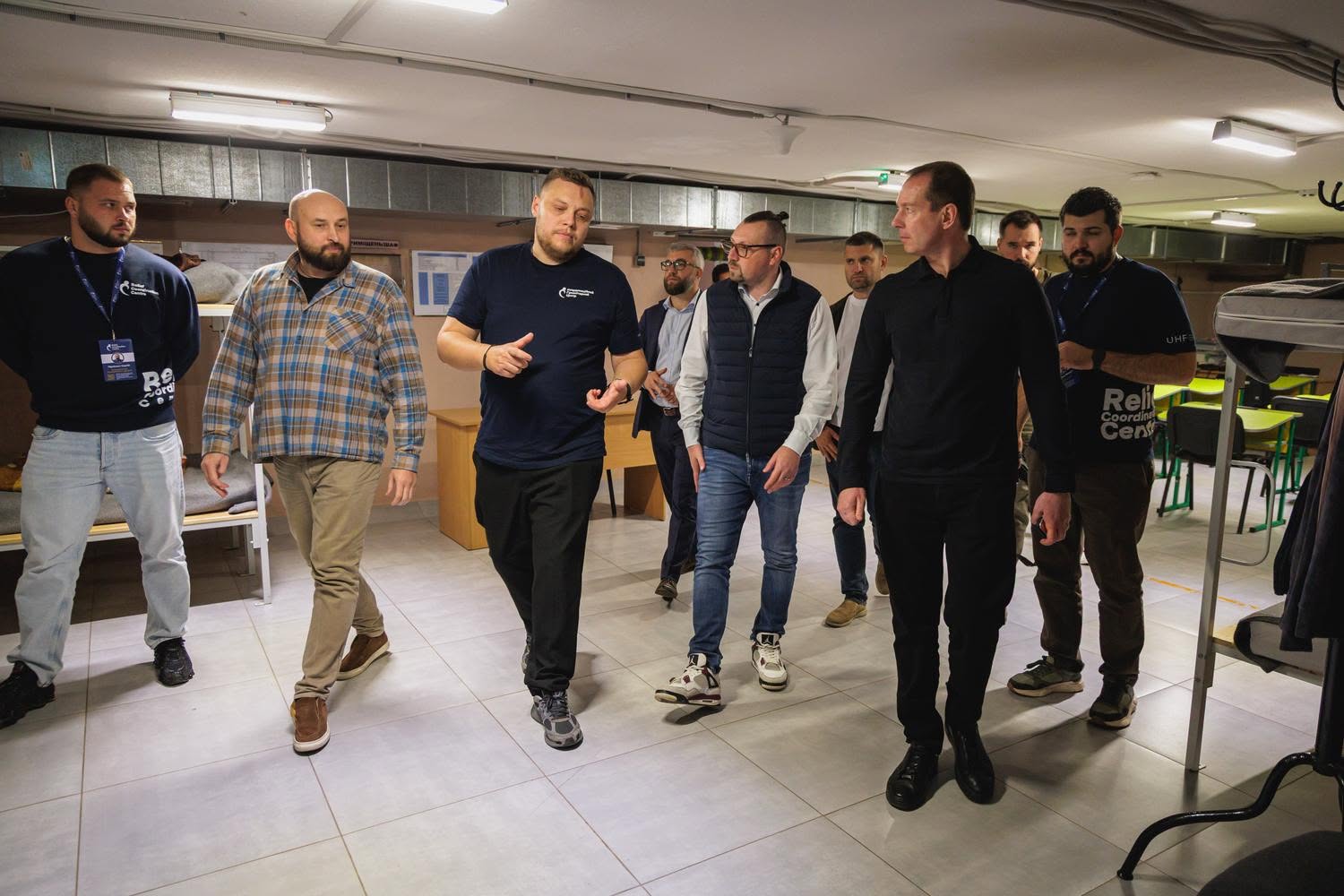
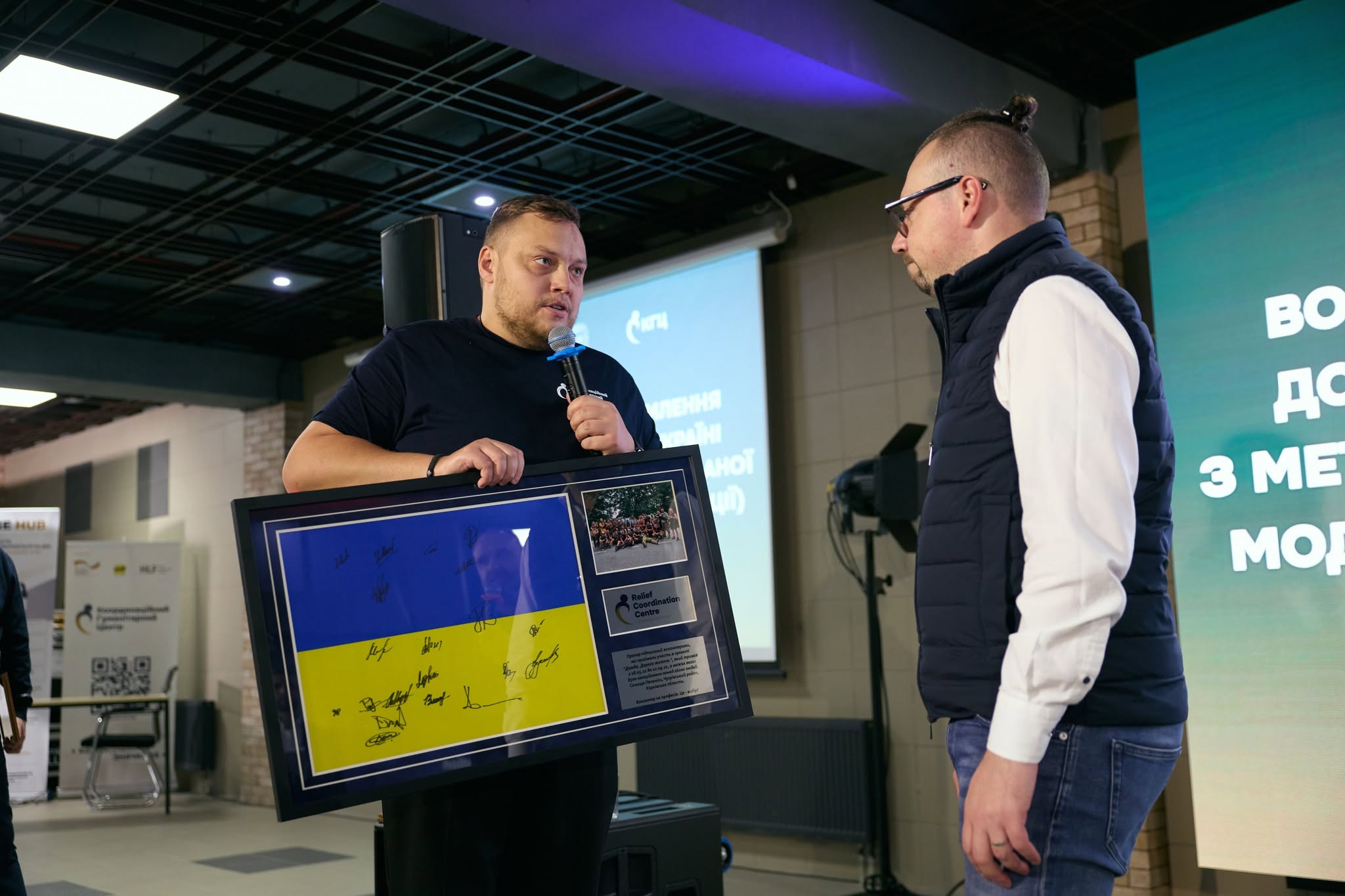
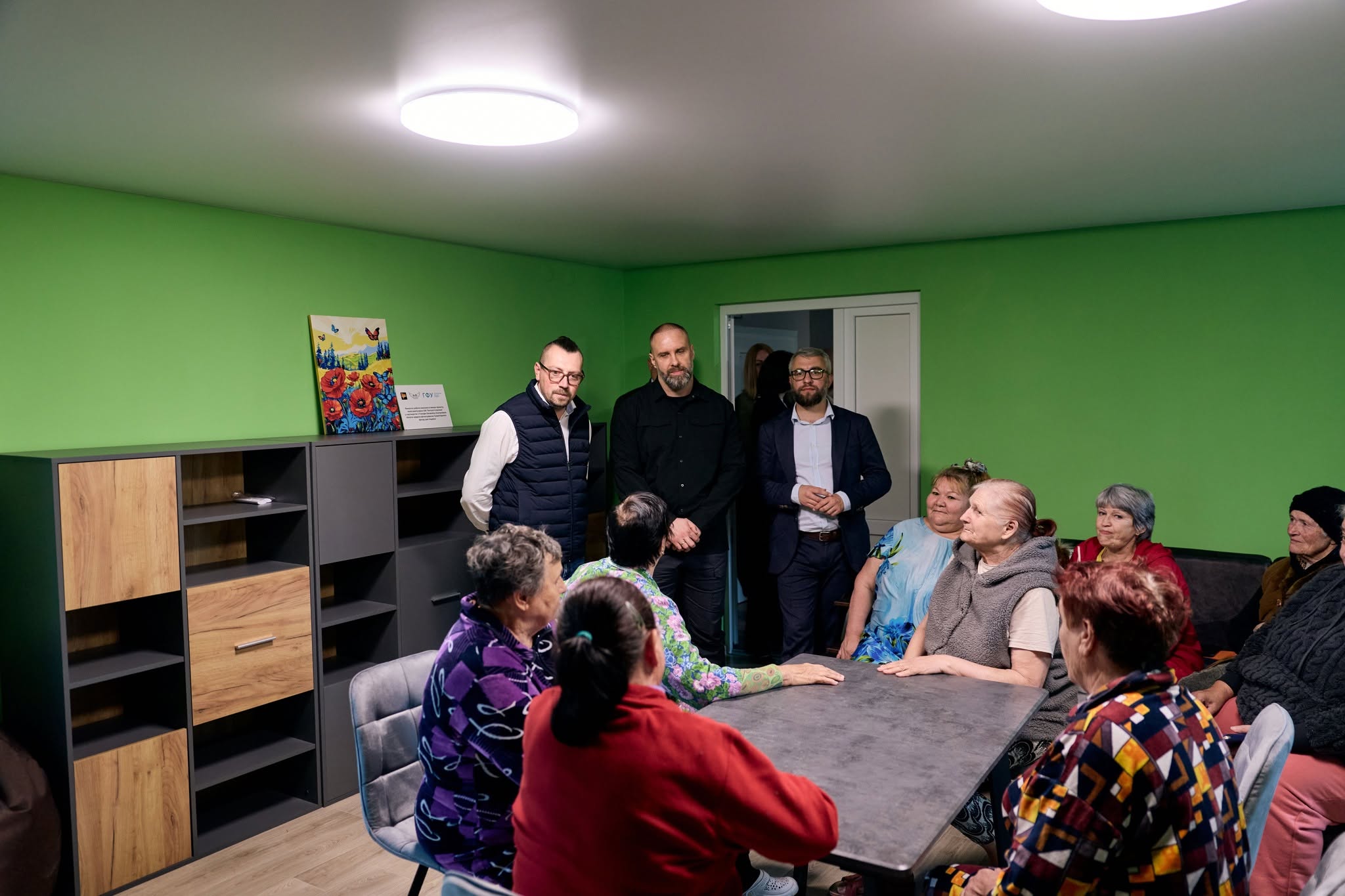
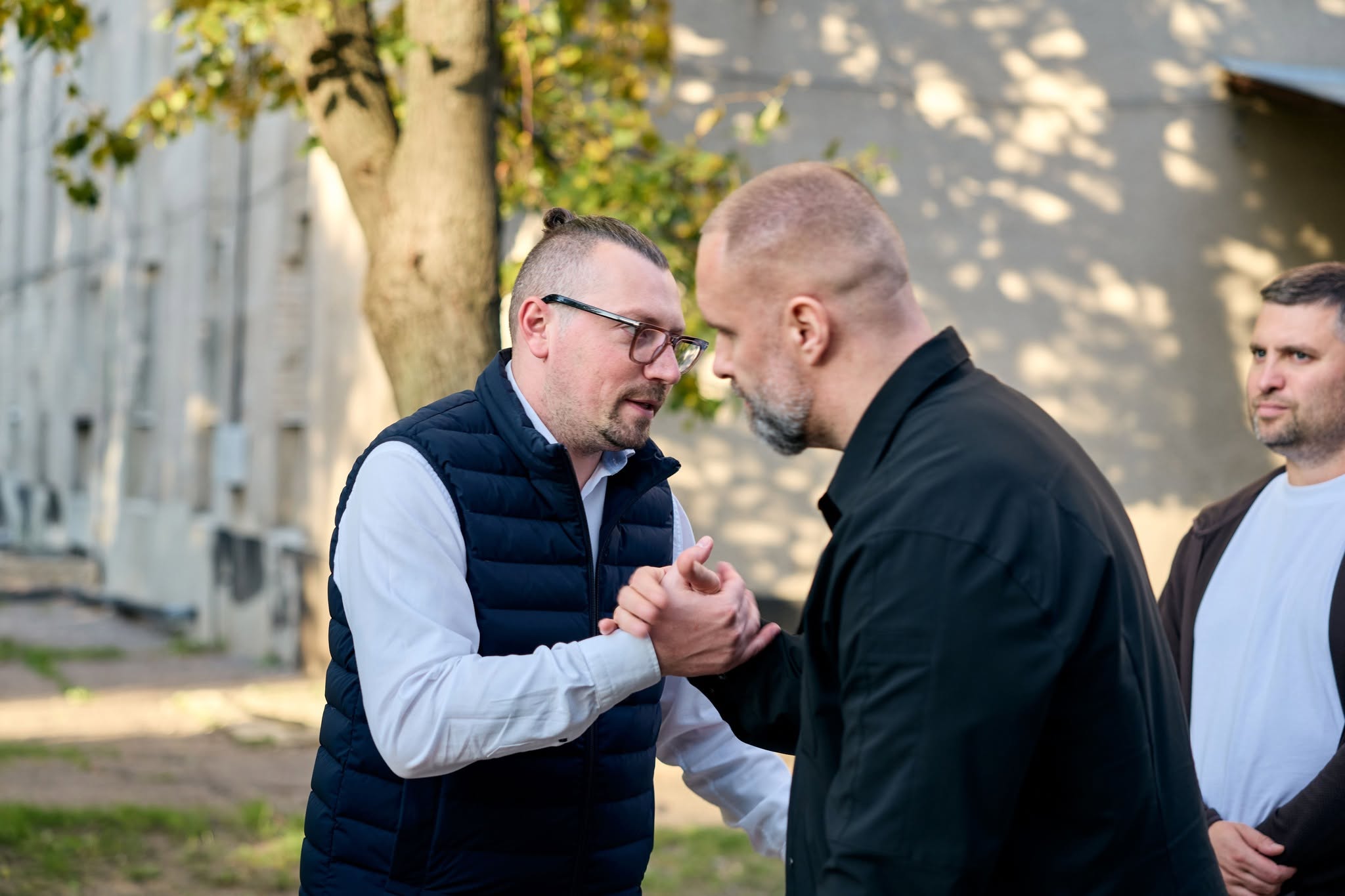
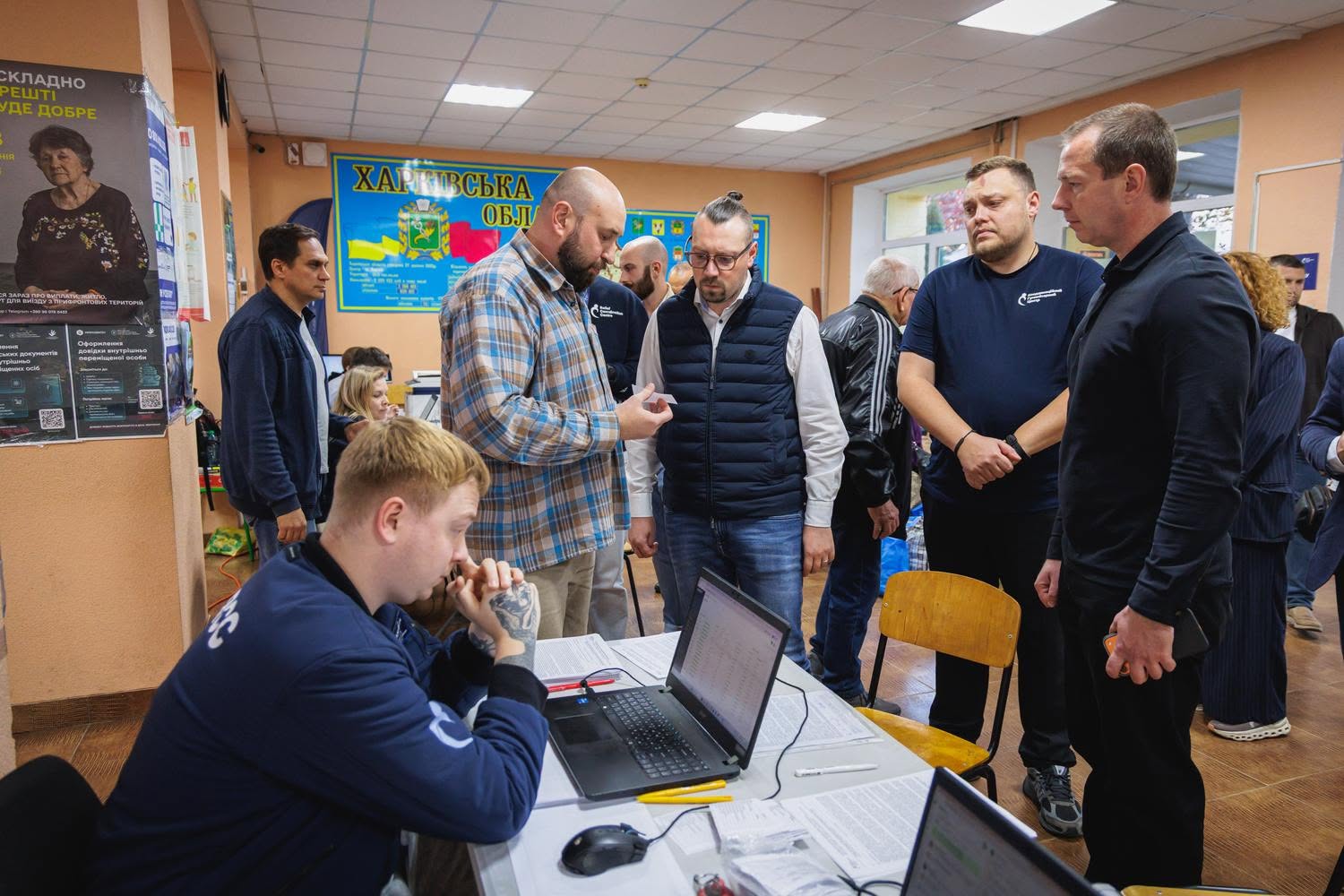
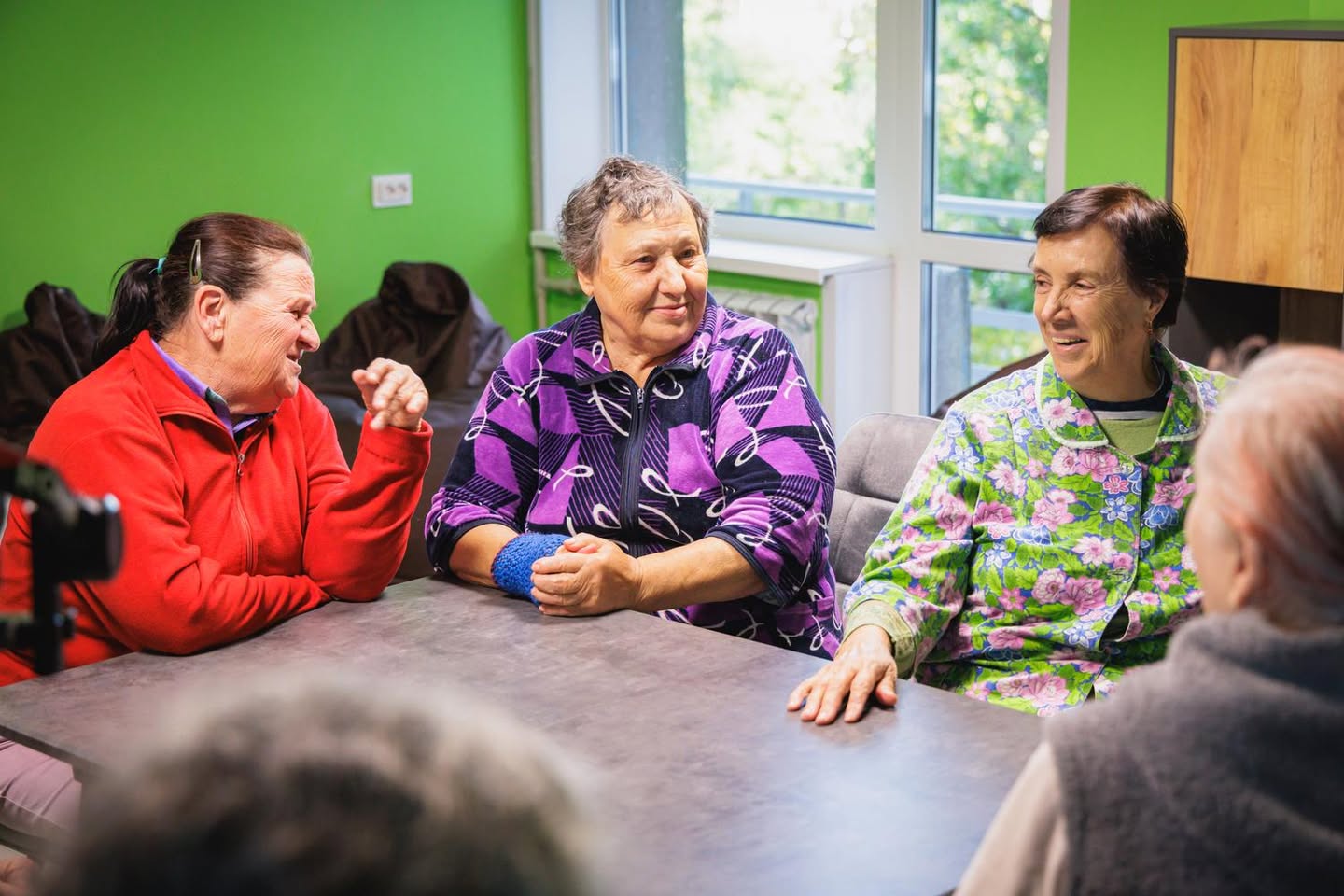
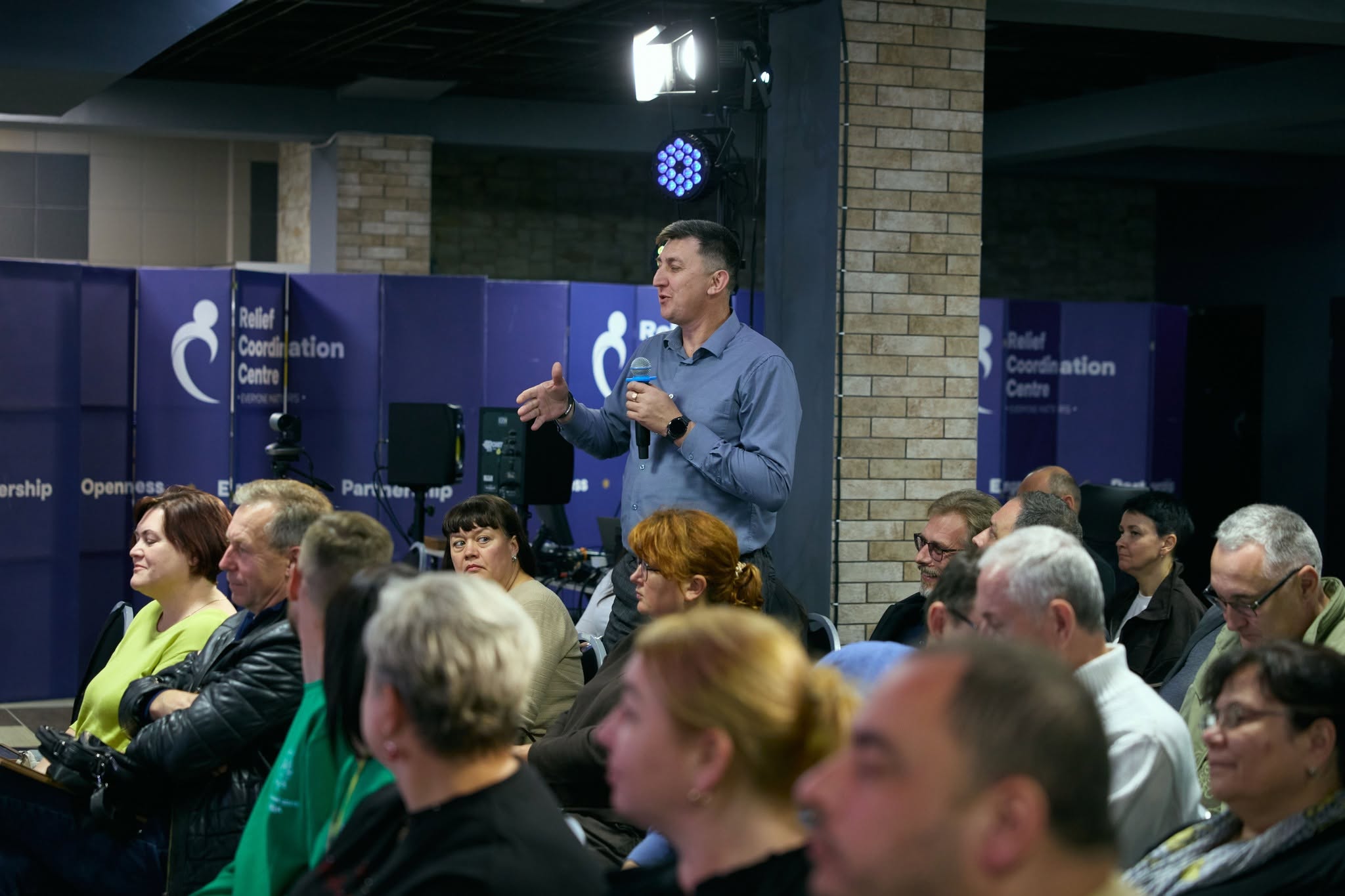
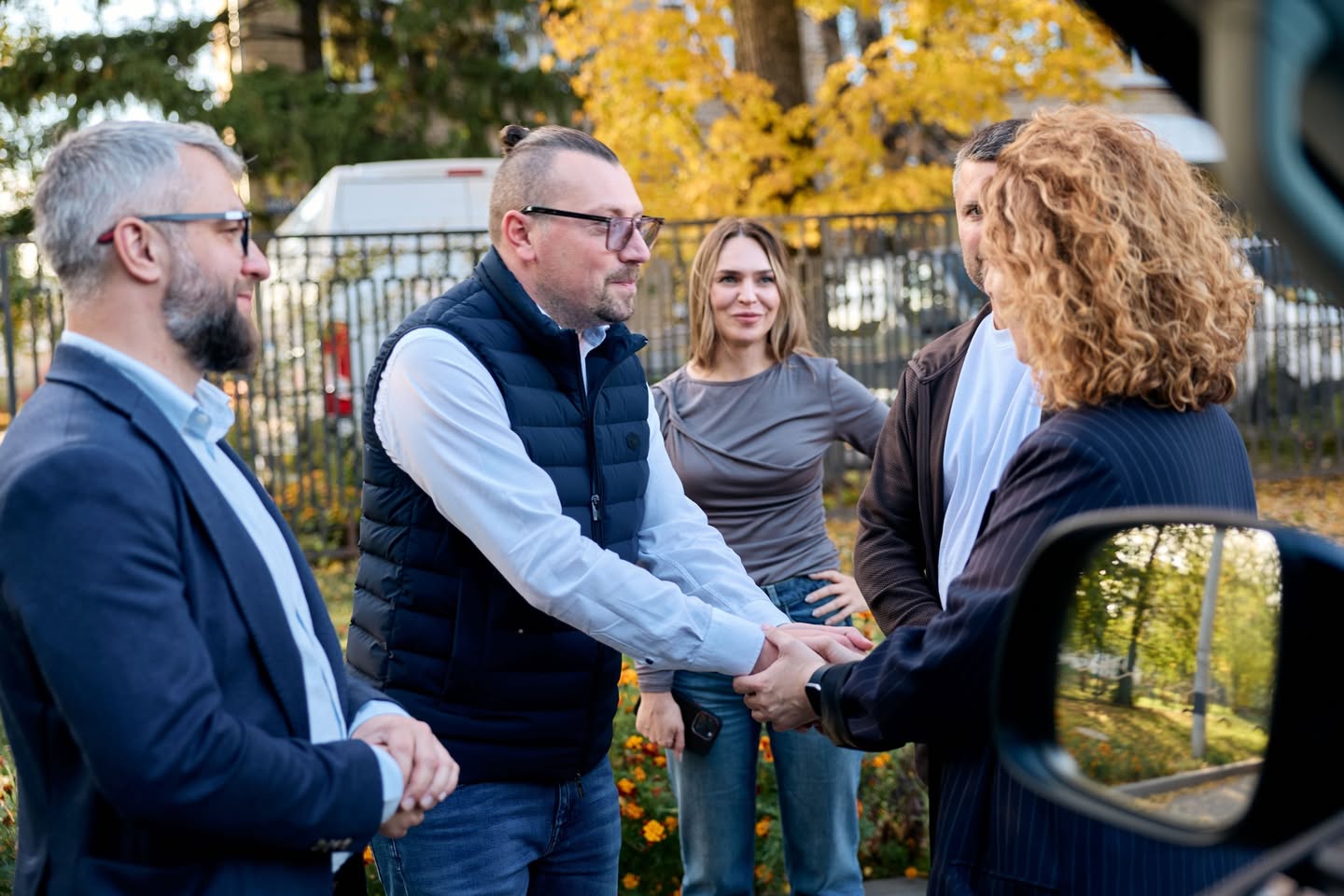
During a working visit, Vitalii Bezghin, Minister for Communities, Territories and Internally Displaced Persons, met representatives of civil society and humanitarian organisations directly involved in evacuation. He also visited a transit centre in Kharkiv and a temporary accommodation facility for people who had left Kupiansk, the Izium area and other dangerous territories, and spoke with those who had been forced to leave their homes.
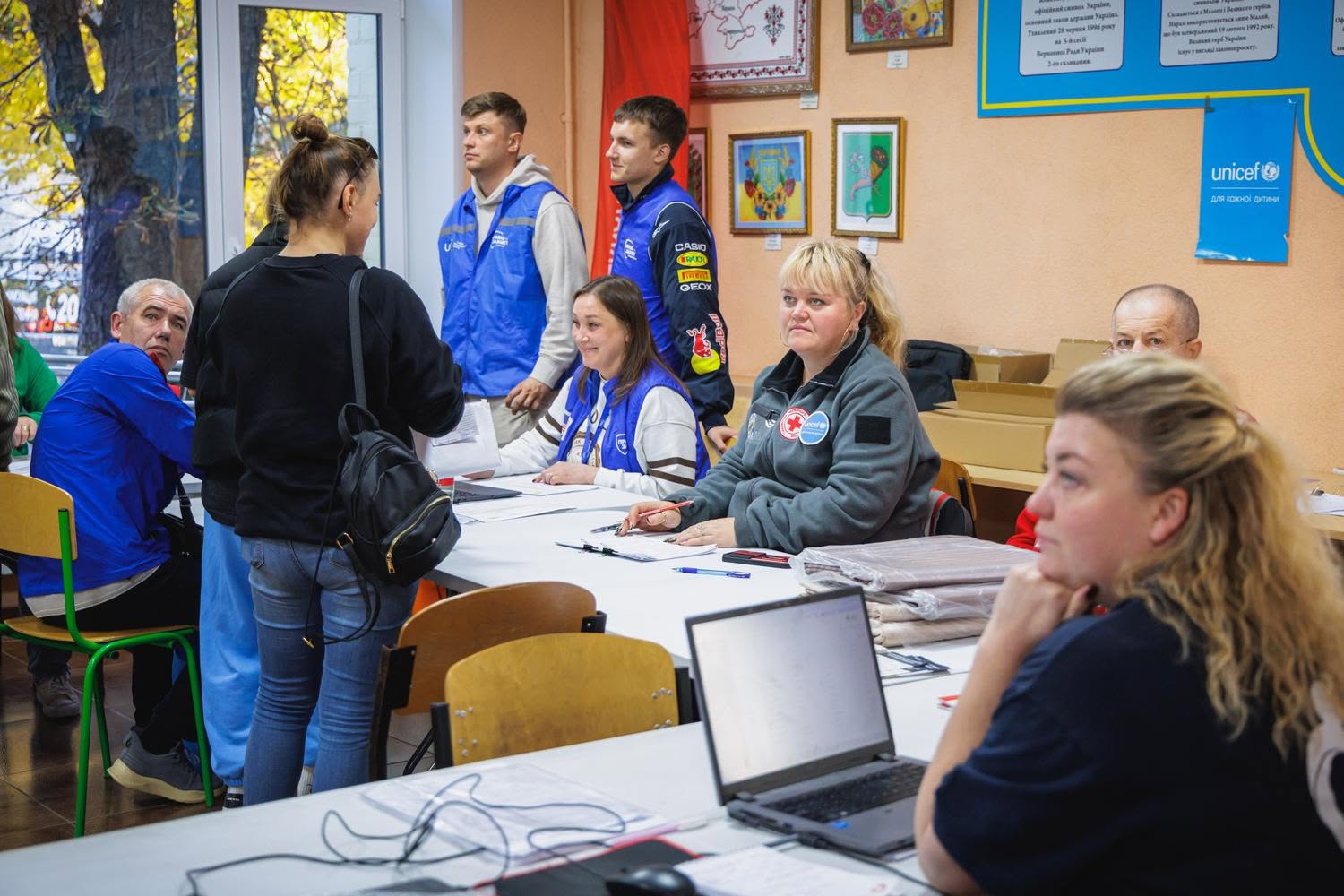
Since it began operating, the Kharkiv transit centre has provided assistance to more than 109 thousand people. More than 63 thousand people have passed through the centre in Lozova. They include many children, older people and people with limited mobility who need particular attention and support.
It was in Kharkiv that Vitalii Bezghin presented draft amendments to Cabinet of Ministers of Ukraine Resolution No. 841, prepared by the Ministry for Communities, Territories and IDPs.
What changes does the draft provide for?
▪️ Before relocation begins, people should understand where they are going, where they will live and what assistance they can receive. Accommodation will be selected with the needs of each family in mind: health, the presence of children, access to medical and social services, and employment opportunities.
▪️ A place for a person or family must be reserved in advance, and the receiving party must confirm that it is ready to accept them.
▪️ A lack of documents must not prevent people from receiving assistance.
▪️ A person’s needs must be assessed within the first day at a transit centre, without requiring them to undergo the same procedures repeatedly.
“Evacuation will be considered complete only when a person is actually received at their new location, not after they leave the transit centre.
For a person forced to leave their home, evacuation is always a difficult decision. The state’s task is to ensure that, after leaving, a person is not left alone with their problems,” Vitalii Bezghin stressed.
Kharkiv region’s experience in organising evacuation and supporting people is extremely valuable.
The Minister thanked civil society and charitable organisations and international partners for evacuation trips, medical and psychological assistance, preparing accommodation and supporting people forced to leave their homes.
He expressed particular gratitude to the Kharkiv Regional Military Administration team, communities and everyone who works in this frontline region every day.