Diia

This website is in test mode
We apologise for any temporary inconvenience. The information on this website is continually updated and expanded.

We apologise for any temporary inconvenience. The information on this website is continually updated and expanded.
The integration of internally displaced persons into new communities requires a comprehensive approach in which housing is combined with employment opportunities, access to education and services, and full participation in community life.
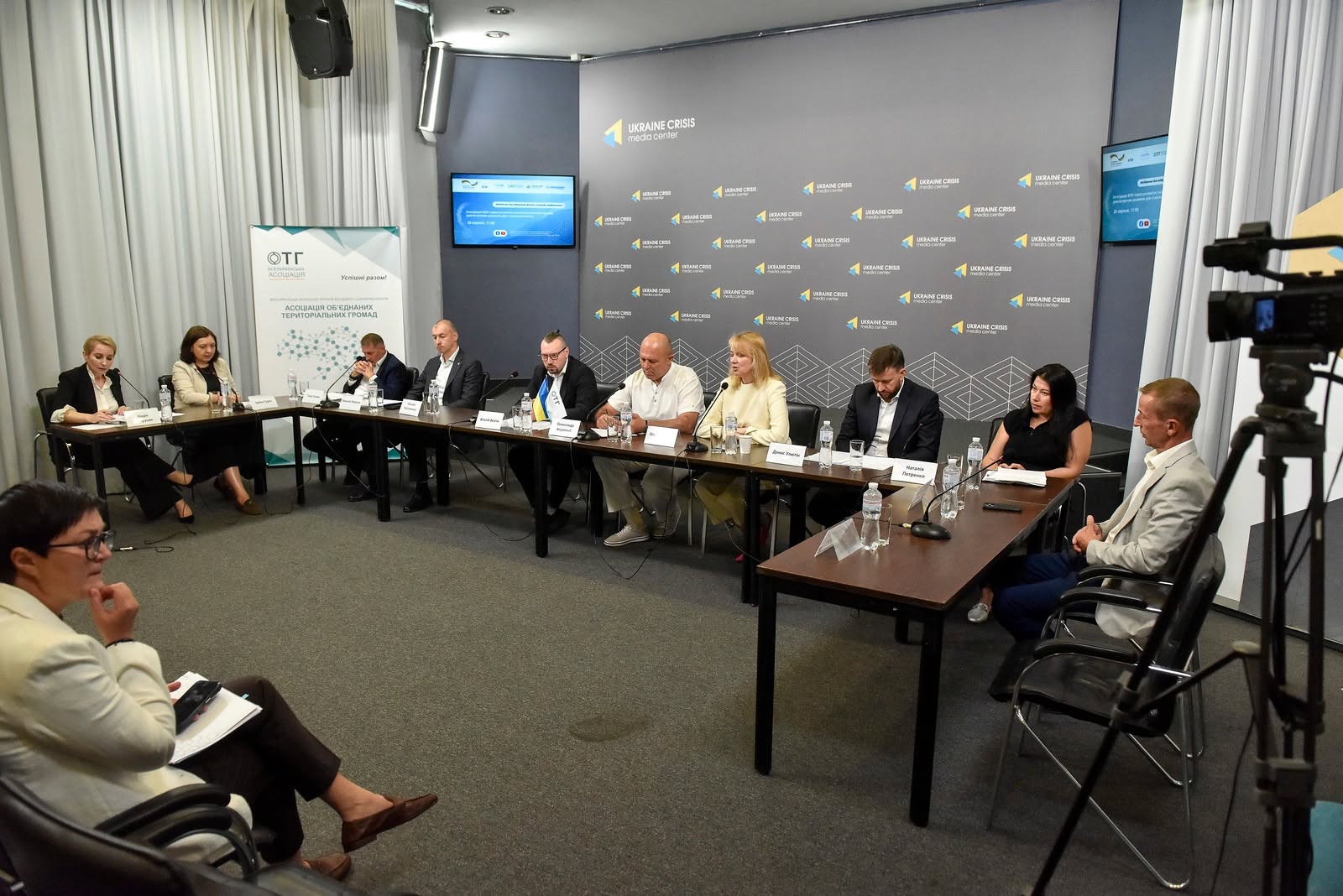
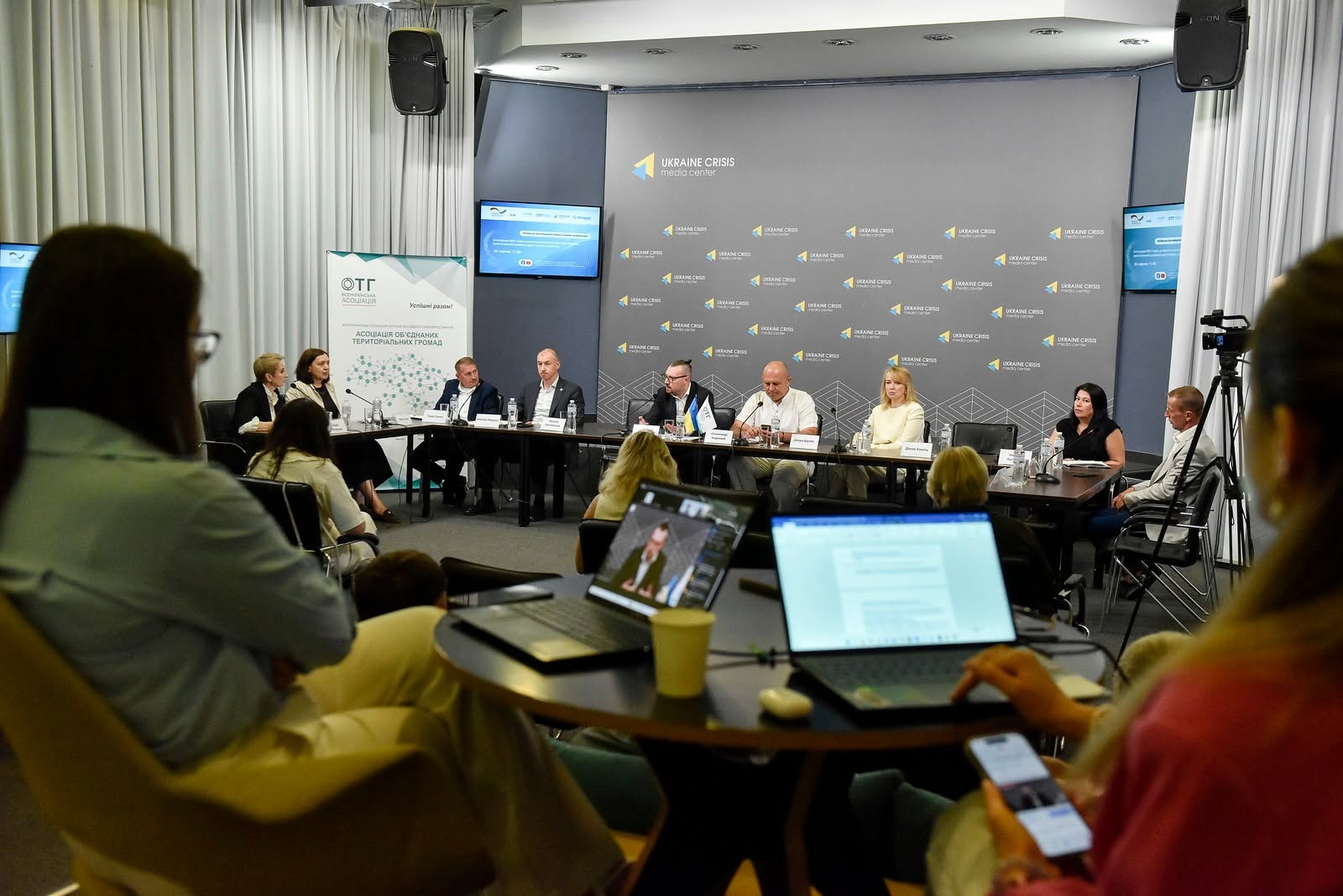
That is why the discussion focused on what state policy for the long-term integration of IDPs into communities should look like; the role of housing policy within it; the legislative changes communities need to create and manage housing stock; and how to combine the resources of the state, communities and international partners. The discussion was titled “Integrating IDPs through the development of community housing policy: long-term solutions for sustainable development”.
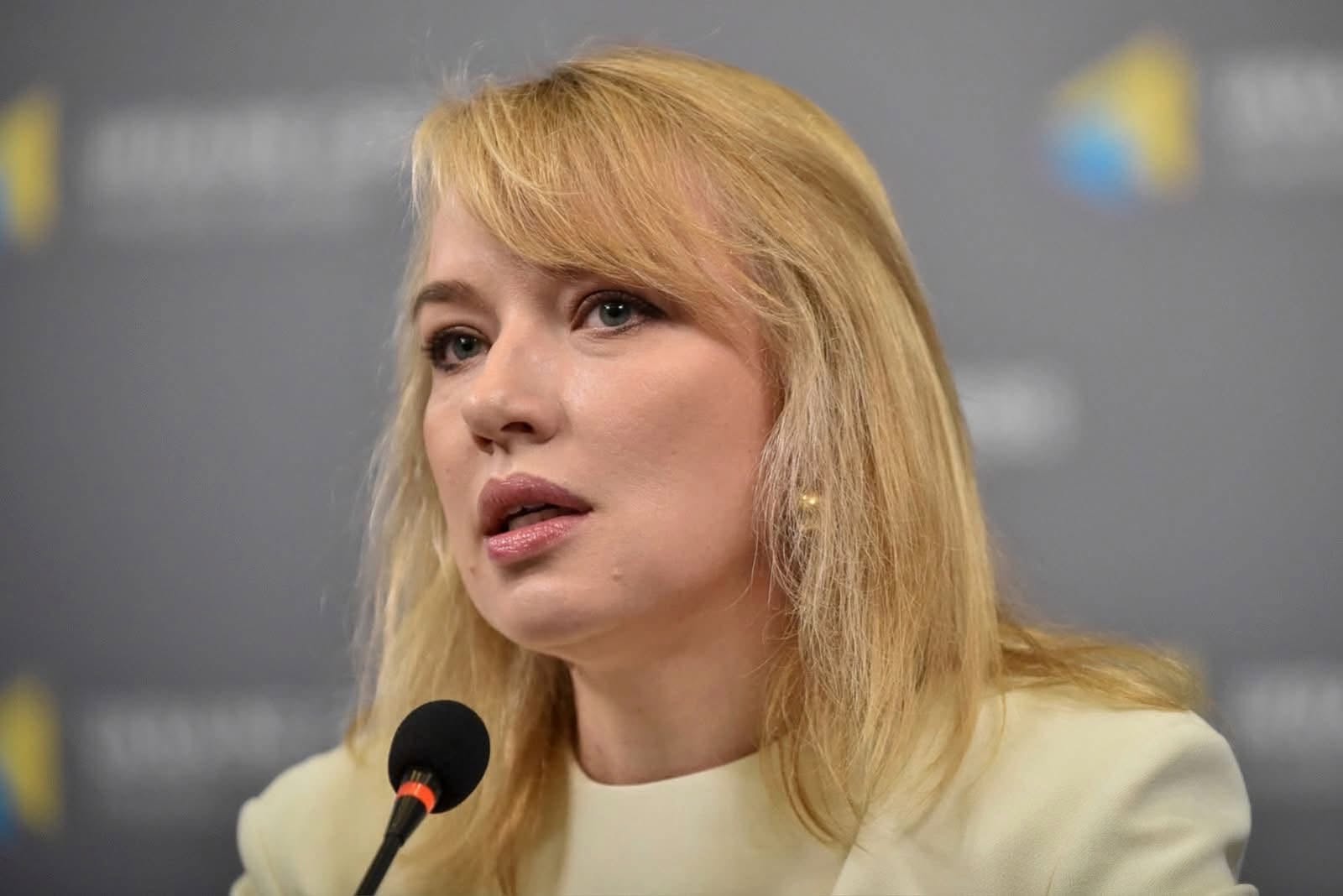
The event was attended by Vitalii Bezghin, Minister for Communities, Territories and Internally Displaced Persons; Olena Shuliak, Chair of the Verkhovna Rada Committee on the Organisation of State Power, Local Self-Government, Regional Development and Urban Planning; Denys Uliutin, Minister of Social Policy, Family and Unity; and representatives of local self-government, the expert community and civil society organisations. More than 200 communities also joined online.
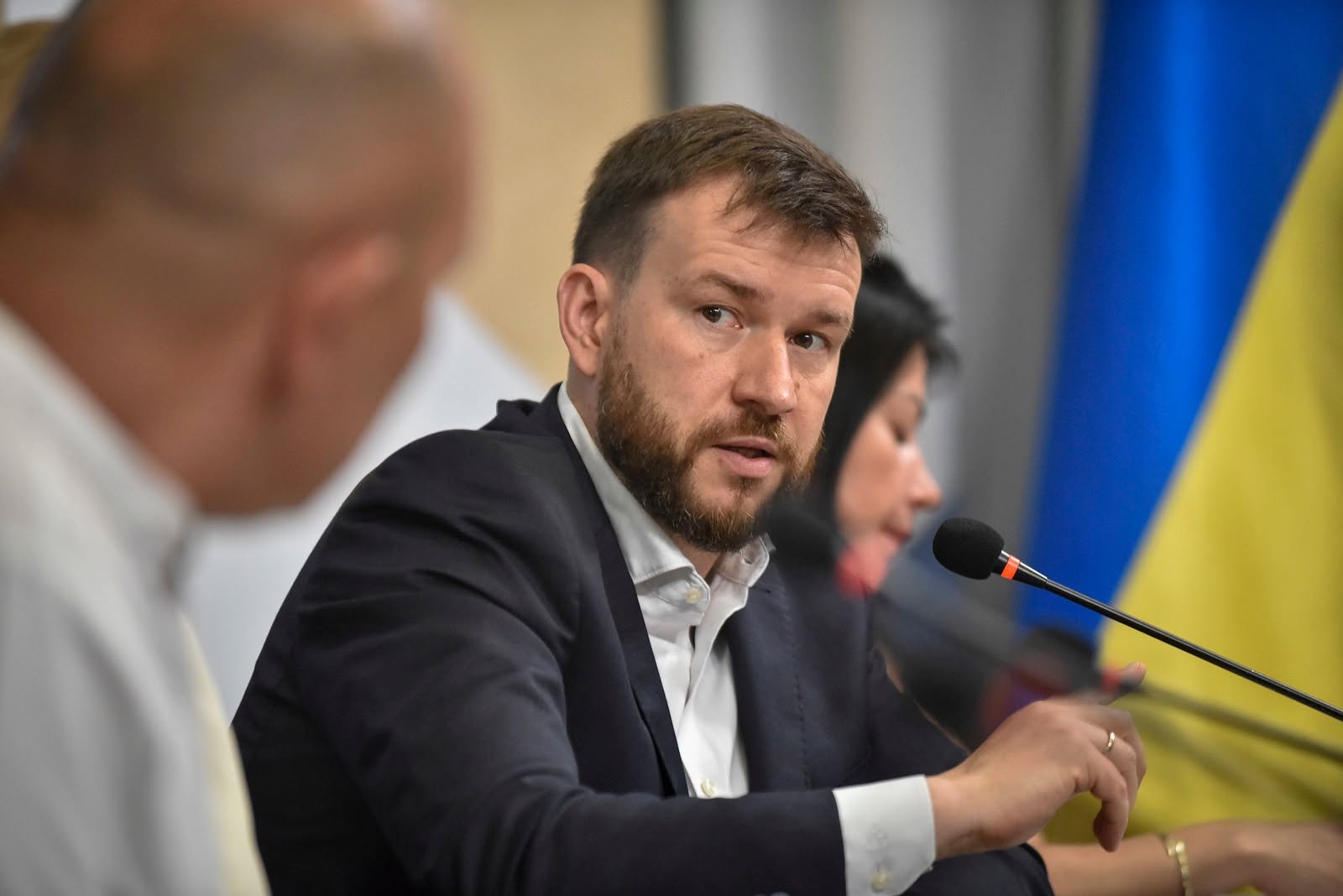
According to Vitalii Bezghin, policy on IDPs remains fragmented. A person goes through a difficult journey — from evacuation to integration into a new community or returning home — and faces distinct challenges at every stage.
“We must create a single pathway for supporting and integrating IDPs into communities, as well as a systematic model for the transition from temporary accommodation to sustainable housing solutions. It is important that people can find housing and work, make arrangements for their children and become full members of the community. We must therefore avoid continually increasing the number of places in temporary accommodation facilities; instead, we should inventory housing, identify the housing resources available in communities and ensure they are used as effectively as possible,” — Vitalii Bezghin stressed.
At the same time, Minregion is working to find additional sources of funding, including resources from international partners.
During the discussion, participants also discussed how communities can shape their own housing policies, manage their housing stock and combine housing solutions with local development. Particular attention was paid to legislative changes, financial mechanisms and opportunities to pool the resources of the state, communities and international partners.
Practical questions included how to ensure IDPs have access not only to housing but also to social services, education and employment, and which solutions are already working and can be scaled up, among others.
“We are currently working to establish an international Social Housing Coalition, which will address housing for IDPs and cooperation with international partners, among other things. This issue can be resolved systematically only by working together — the state, parliament, communities and partners,” Vitalii Bezghin emphasised.