Diia

This website is in test mode
We apologise for any temporary inconvenience. The information on this website is continually updated and expanded.

We apologise for any temporary inconvenience. The information on this website is continually updated and expanded.
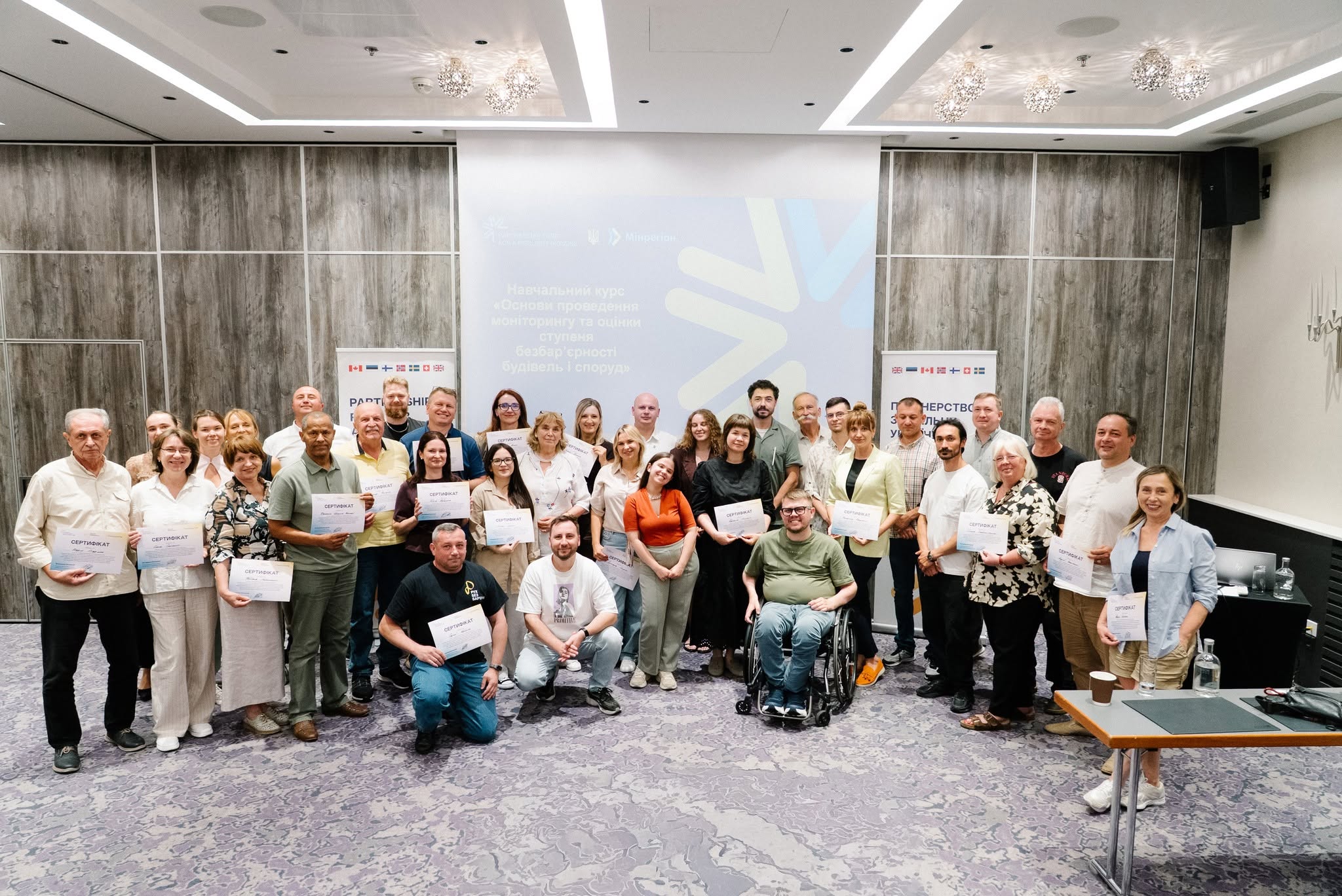
Nearly 30 academic staff from different regions of Ukraine completed the training “Basics of monitoring and assessing the accessibility of buildings and structures”. The training is held in two groups and will cover nearly 50 university lecturers in total.
Accessibility must work not only in regulations but also in real life — in buildings, on streets, in transport and in public spaces. The country therefore needs specialists who not only know the requirements but can also identify a barrier on site, assess its impact on a person and propose solutions. These are the practical skills lecturers acquired during the training.
The training covers three key areas:
State accessibility policy, the rights of persons with disabilities, international experience, and Ukrainian building codes and standards.
Monitoring methodology, work with checklists and assessment tools, including the LUN Misto accessibility map. Participants also examined how to assess different types of facilities.
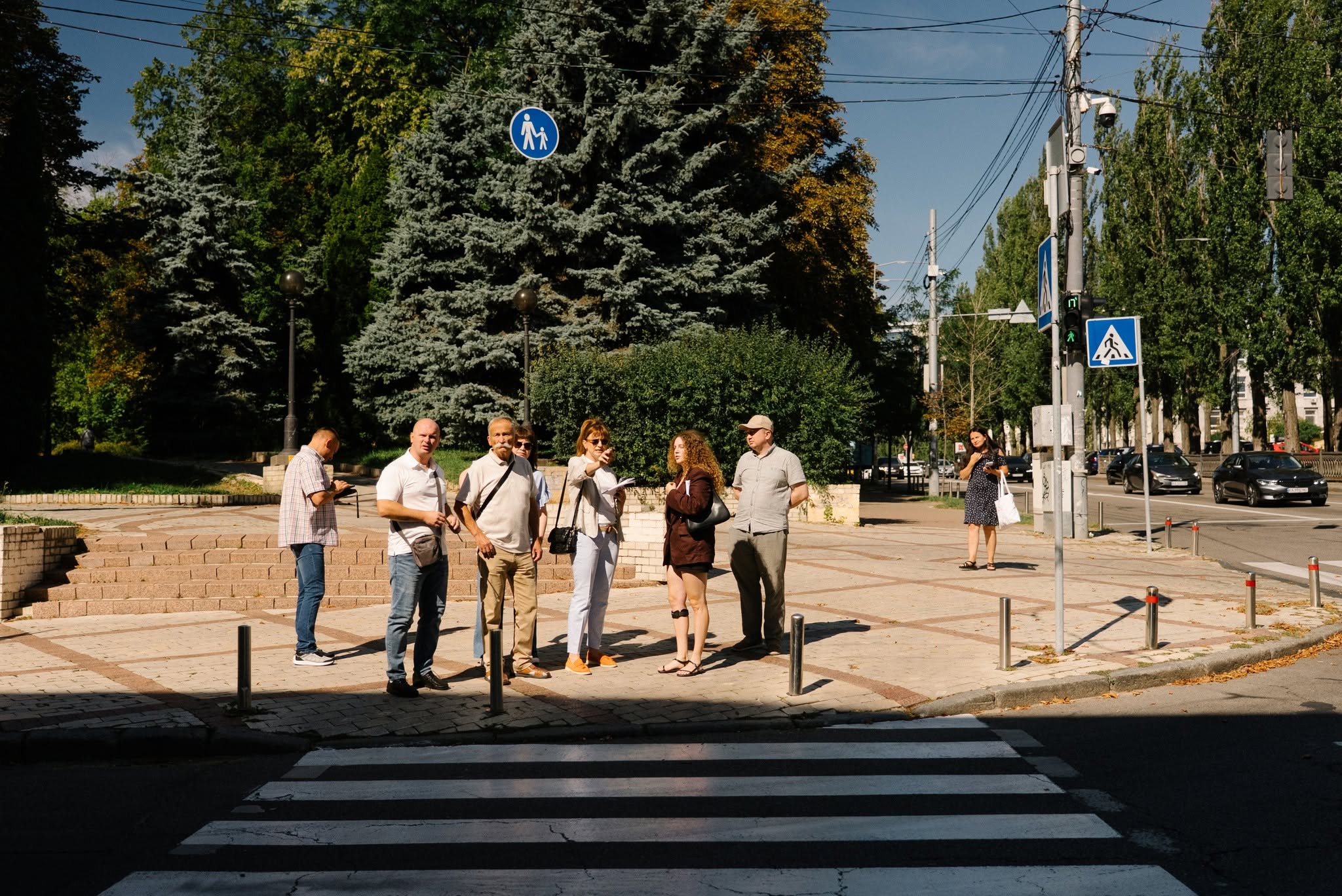
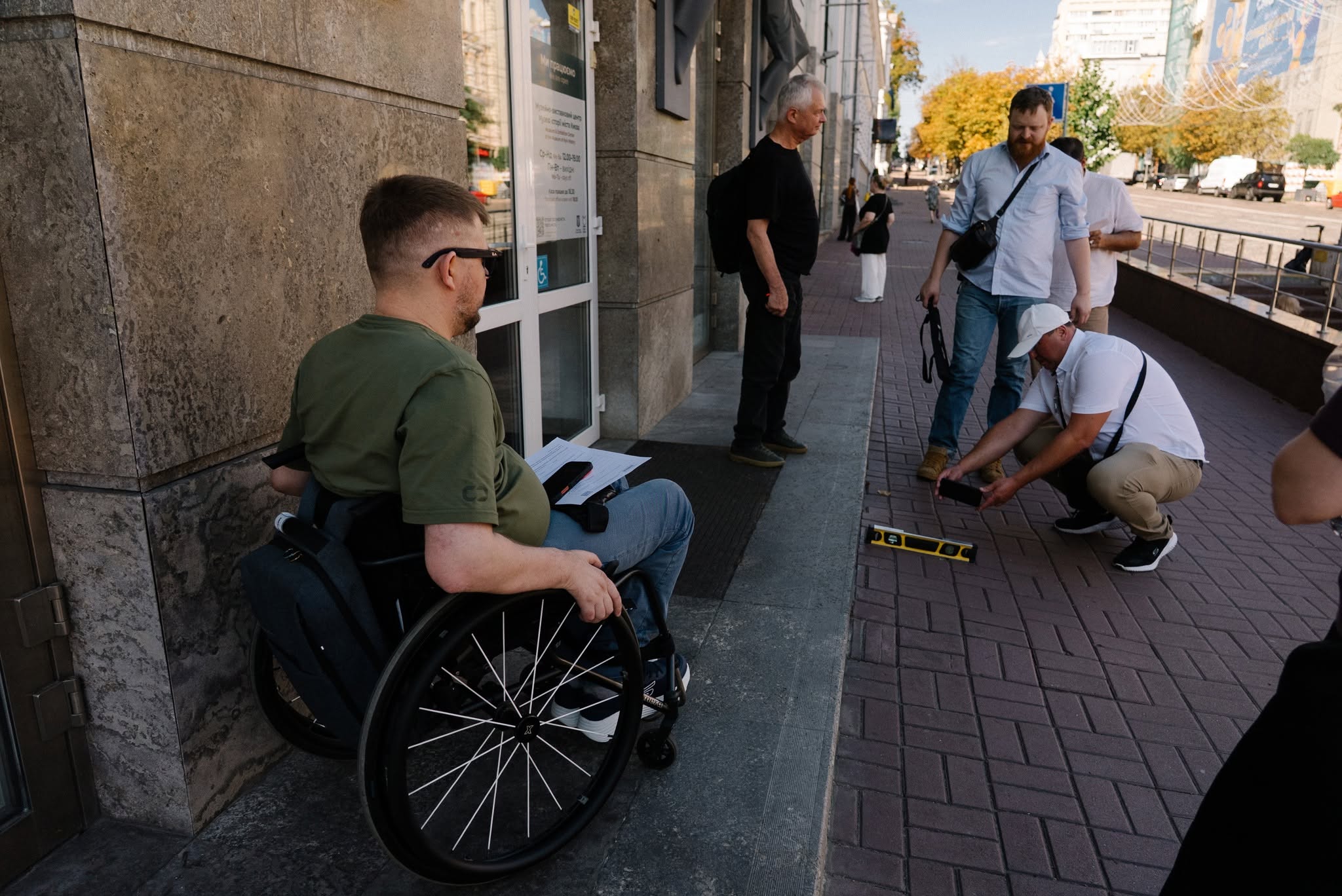
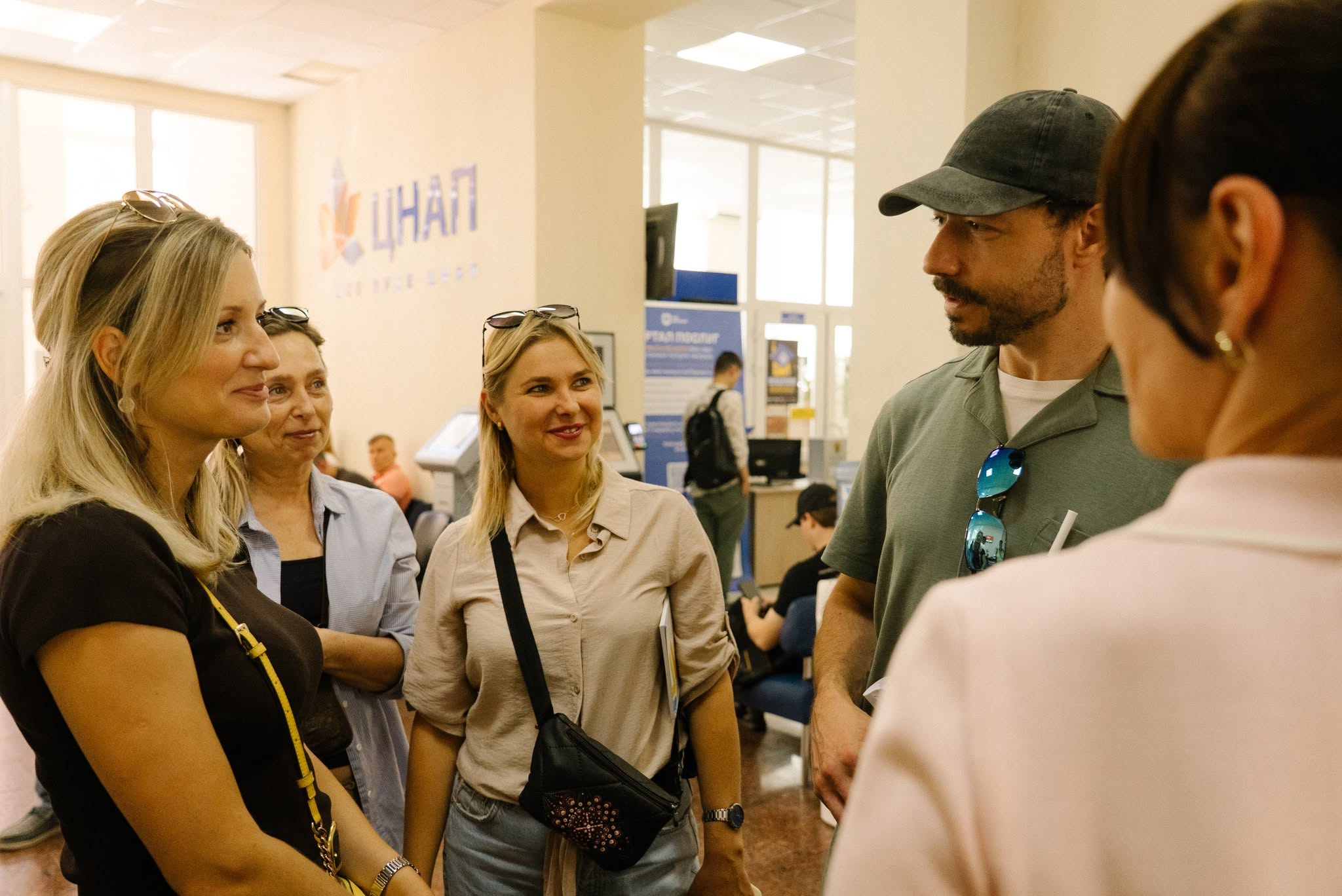
The practical component: field visits to inspect buildings, streets and transport infrastructure, identify barriers, compare observations with regulatory requirements and prepare reports on the monitoring results.
Lecturers will now be able to use these practical cases, methods and tools in their work with students — future physical accessibility specialists.
The training is being held at the initiative of Ukraine’s Ministry for Communities, Territories and Internally Displaced Persons and with support from the Partnership for a Strong Ukraine (PFRU) programme, funded by the governments of the United Kingdom, Estonia, Canada, Norway, Finland, Switzerland and Sweden. Participants will pass on their knowledge to students enrolled in the “Physical Accessibility Specialist” educational programme.