Diia

This website is in test mode
We apologise for any temporary inconvenience. The information on this website is continually updated and expanded.

We apologise for any temporary inconvenience. The information on this website is continually updated and expanded.
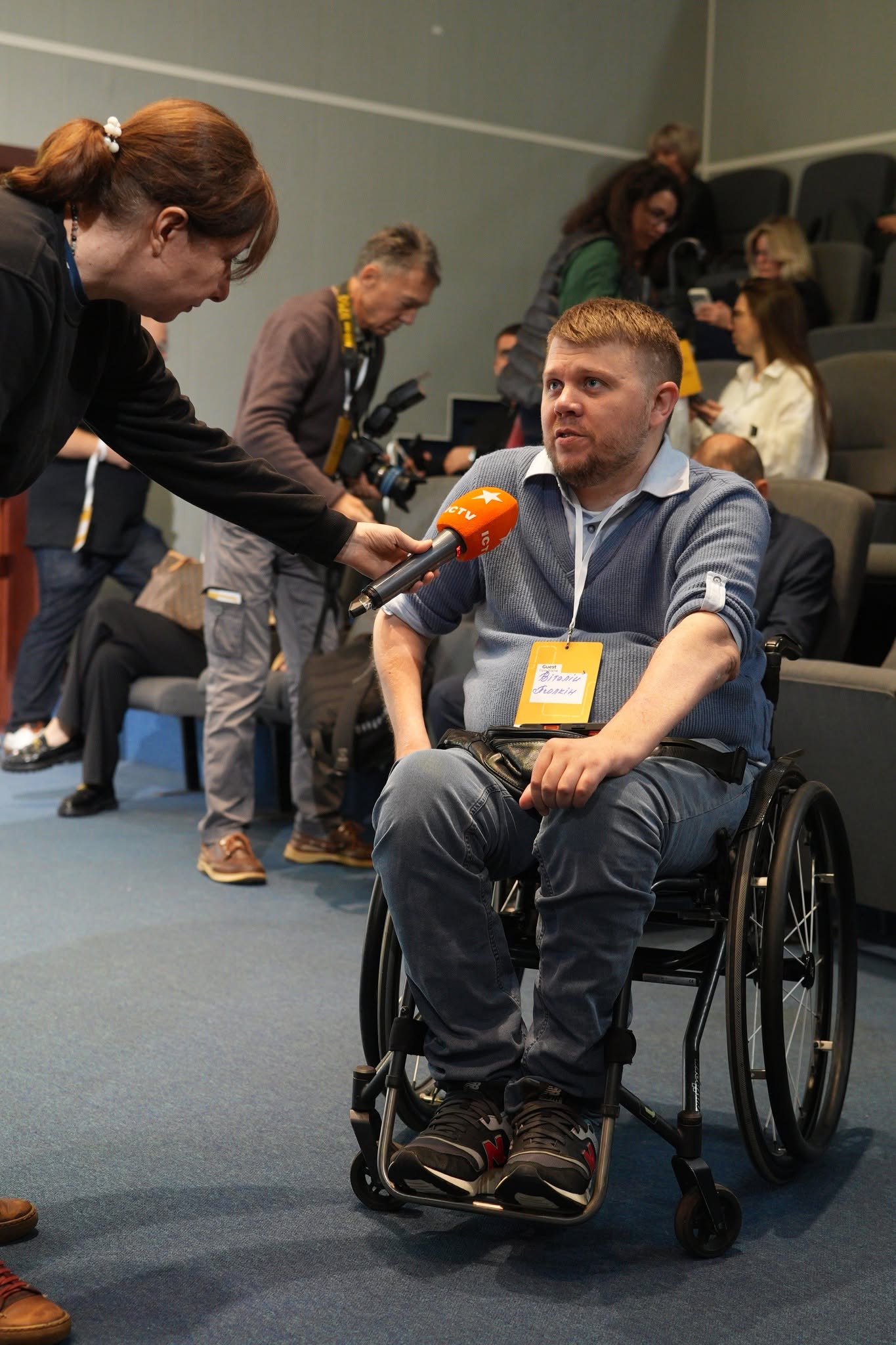
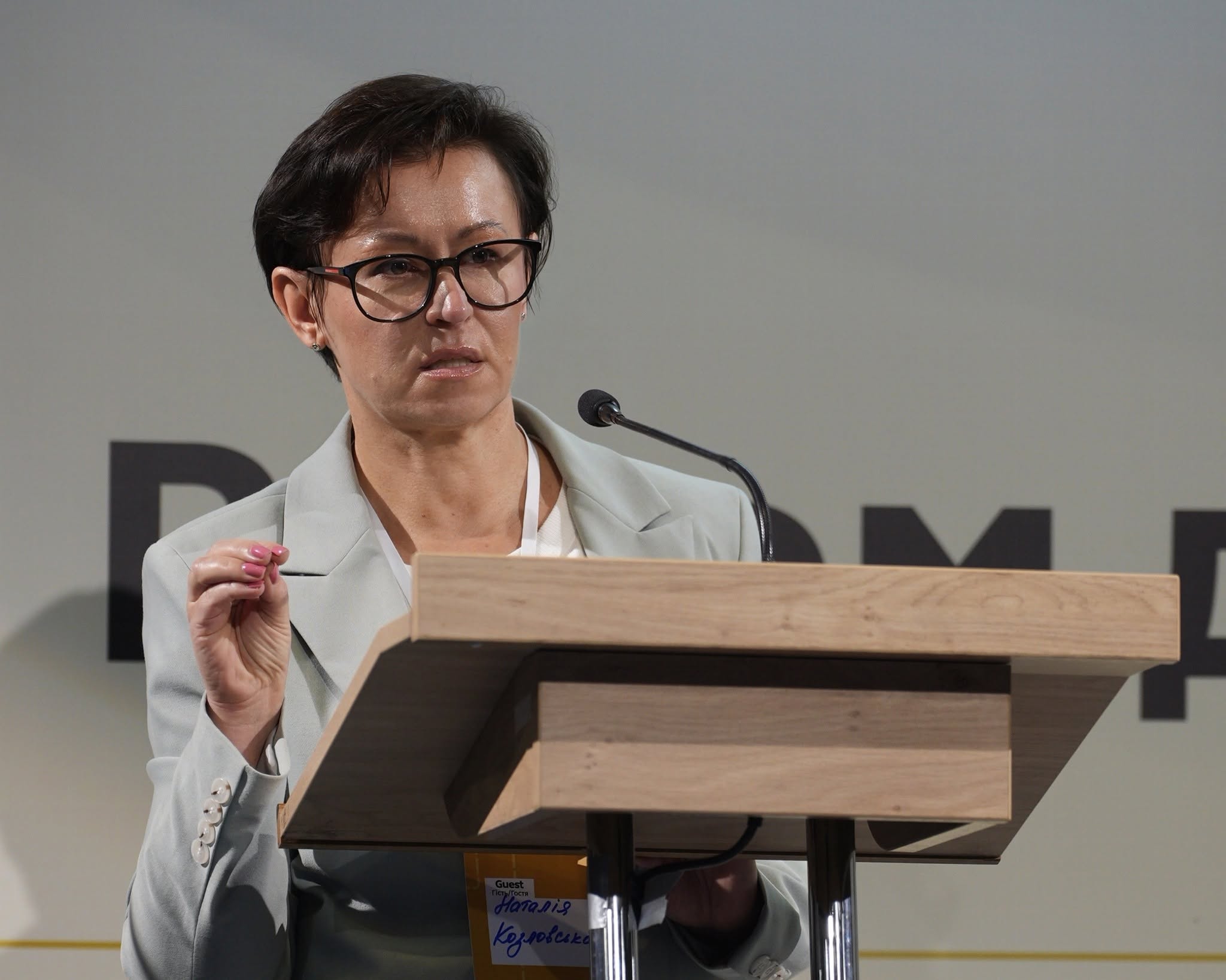
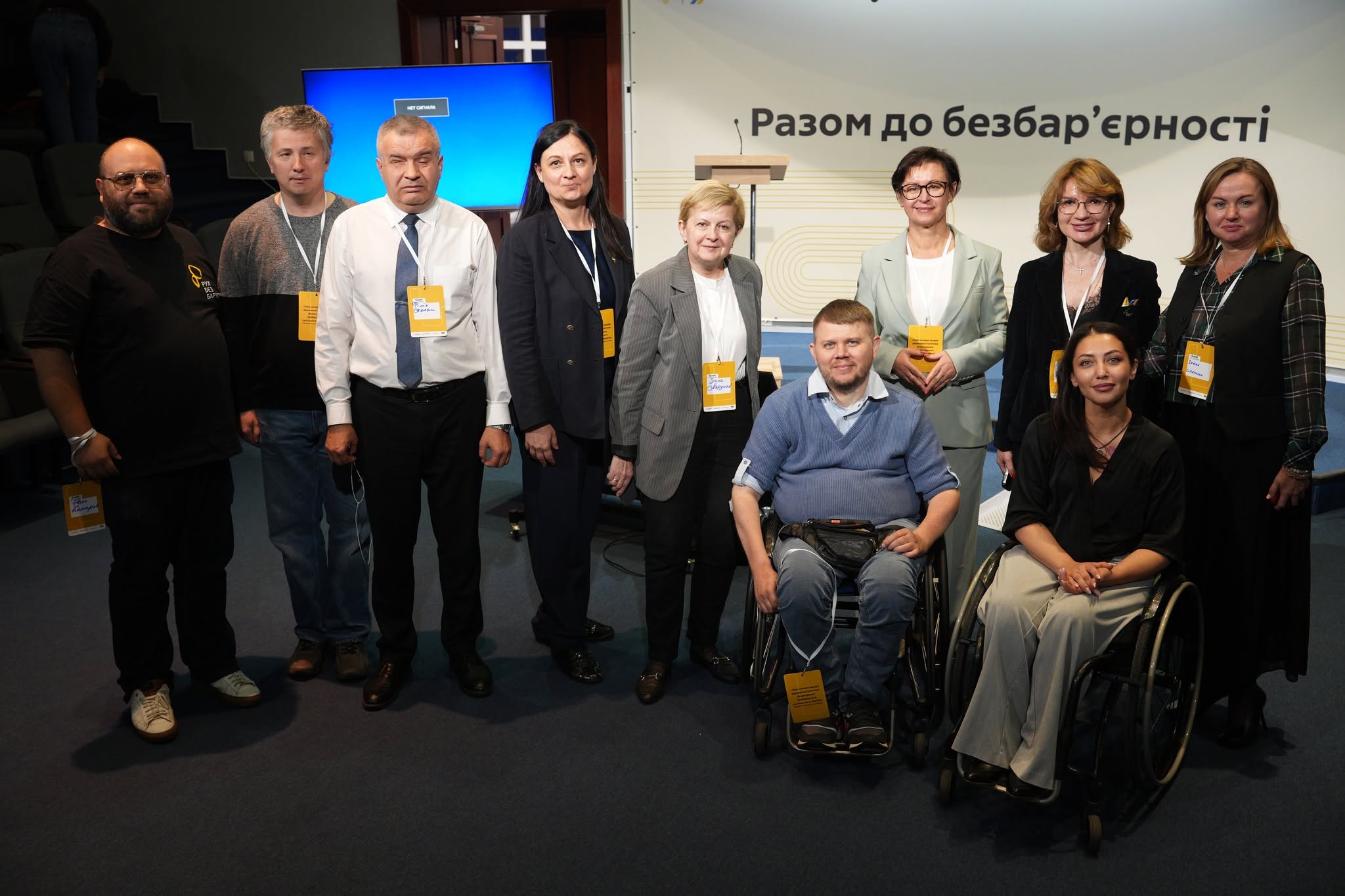
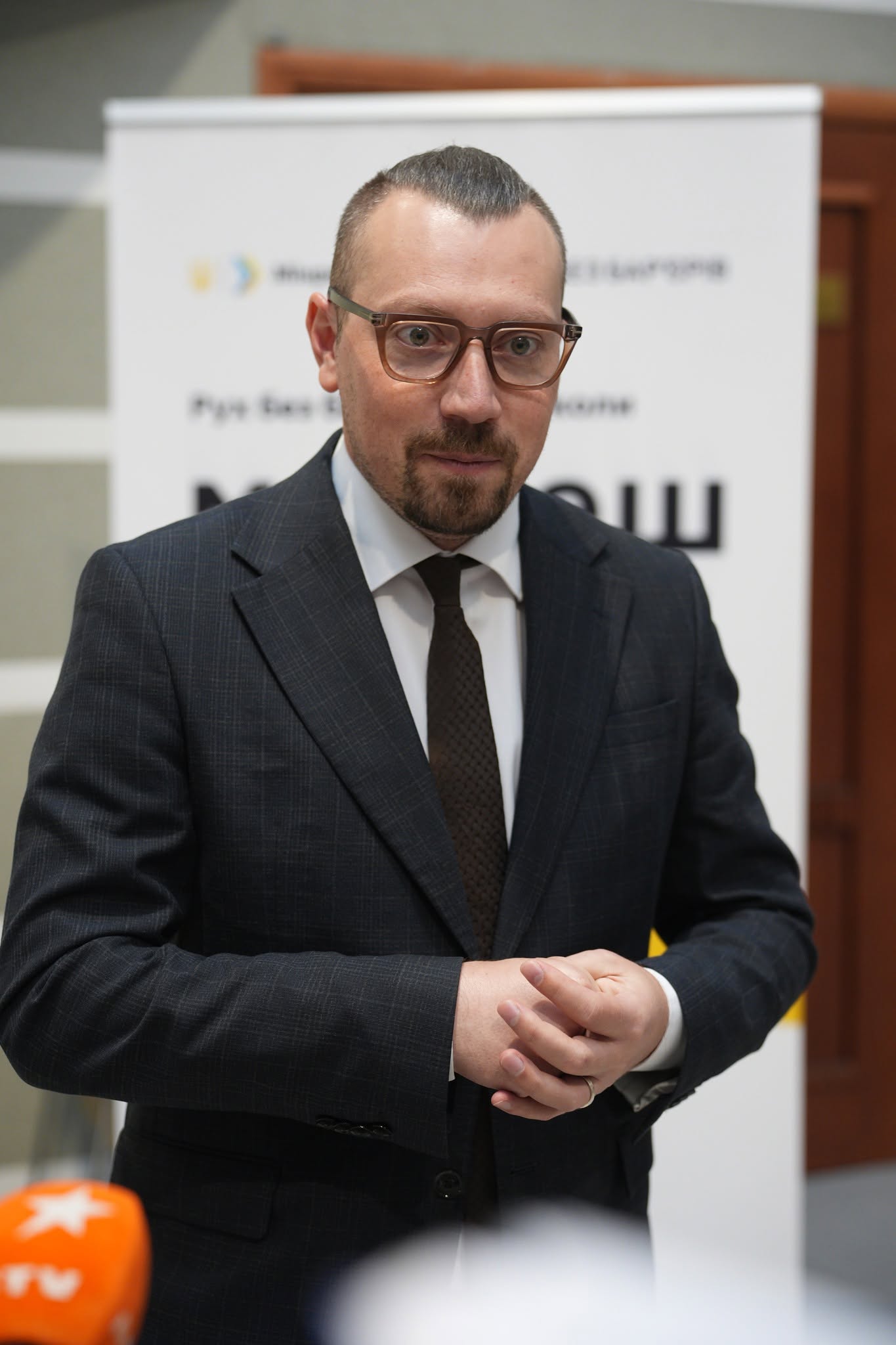
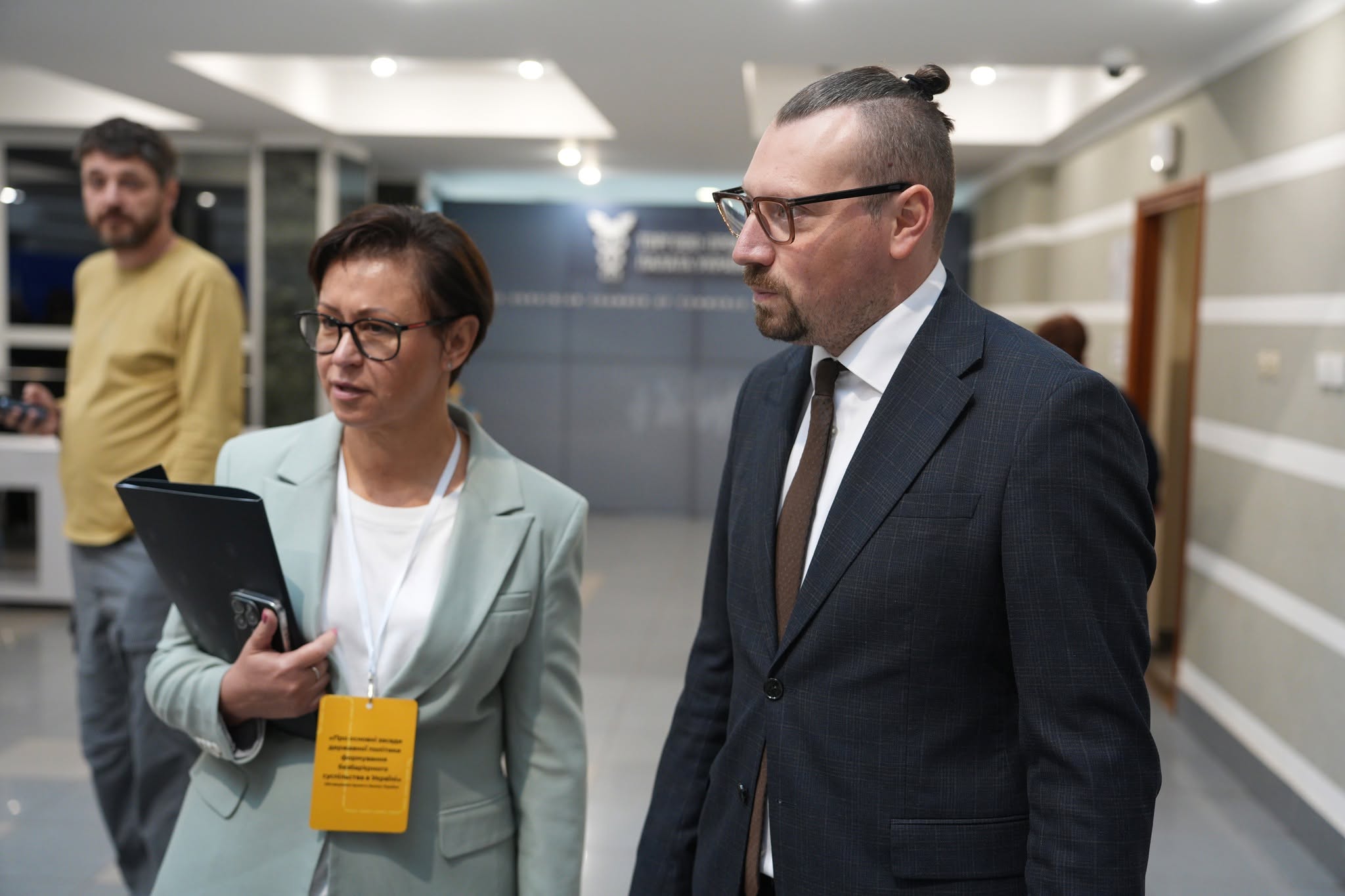
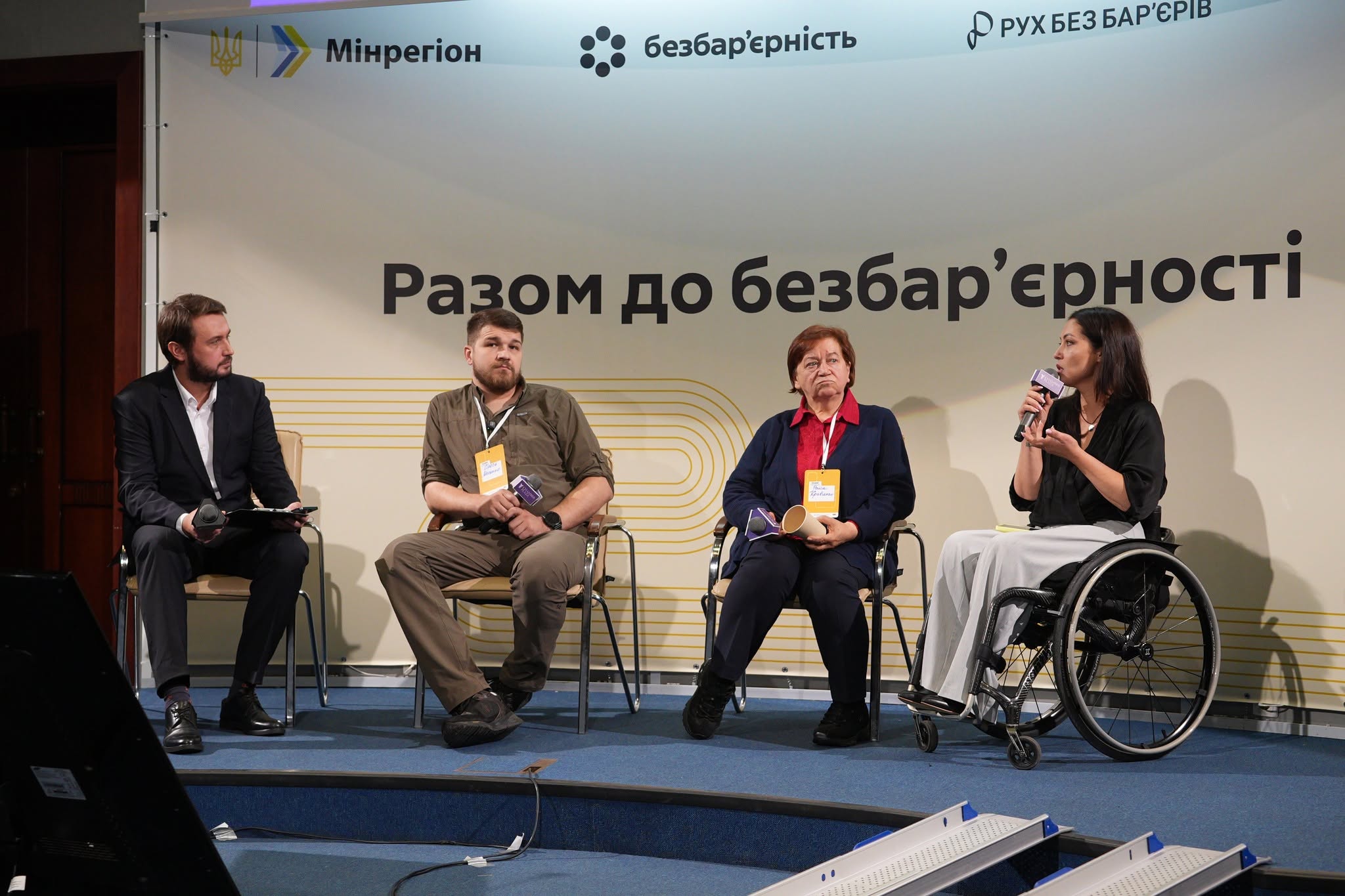
Minregion presented the draft Law “On the Basic Principles of State Policy for Building a Barrier-Free Society in Ukraine”. The discussion was joined by people with disabilities, veterans, the Adviser and Commissioner of the President of Ukraine for Accessibility Tetiana Lomakina, members of parliament, representatives of state bodies, communities, businesses, the professional community, civil society and human rights organisations.
Today, accessibility requirements already exist in various laws and rules. At the same time, they regulate separate areas — construction, transport, education, services, information, digital services and more. It is important to bring these rules together in a single legislative framework so they work as a coherent state policy.
“We already have experience we can build on. The national project to create accessible routes, Movement Without Barriers, began with 15 pilot cities and towns. Today, more than 800 communities have developed accessible route projects. It is not only the number that matters. In practice, we see that making an individual hospital, school or administrative service centre accessible is not enough if a person cannot physically reach it. At the same time, local capacity is being developed. More than 1300 accessibility officers are already working in communities. Practical work has shown that we need a common framework — clear rules that are the same for everyone and a clear division of responsibilities. That is precisely why this draft law was developed. Many things are already working. Now they need to be brought together into a system,” said Vitalii Bezghin, Minister for Communities, Territories and Internally Displaced Persons of Ukraine.
The draft law proposes defining common principles and concepts, clearly dividing responsibilities between the state, communities and the private sector, establishing coordination, embedding accessibility in sectoral policies and providing mechanisms for planning, monitoring and evaluating results.
The main goal is to ensure that a person can live, work, study, receive services and participate fully in society regardless of their needs.
Three key questions were discussed separately during the event:
▪️ What exactly should the law guarantee a person?
▪️ Who is responsible for what when it comes to real accessibility in a community?
▪️ What should the rules be for businesses that provide services to people every day?
Open discussion before the draft law is submitted to the Government and subsequently to parliament was an important part of its preparation. Its purpose was to hear proposals from those who will work directly with the new rules, as well as from the people for whom this policy must work in everyday life.
The draft law will now be refined in light of the proposals received. It is important not merely to prepare a legally sound document, but to create rules that work in practice — for people, communities, the state and businesses.
The event was organised by the Ministry for Communities, Territories and Internally Displaced Persons of Ukraine with support from Oschadbank. During the event, participants also considered the draft law’s provisions using different life and professional situations as examples. According to a survey, 75% of participants found its logic clear and considered that it addressed the key questions.