Diia

This website is in test mode
We apologise for any temporary inconvenience. The information on this website is continually updated and expanded.

We apologise for any temporary inconvenience. The information on this website is continually updated and expanded.
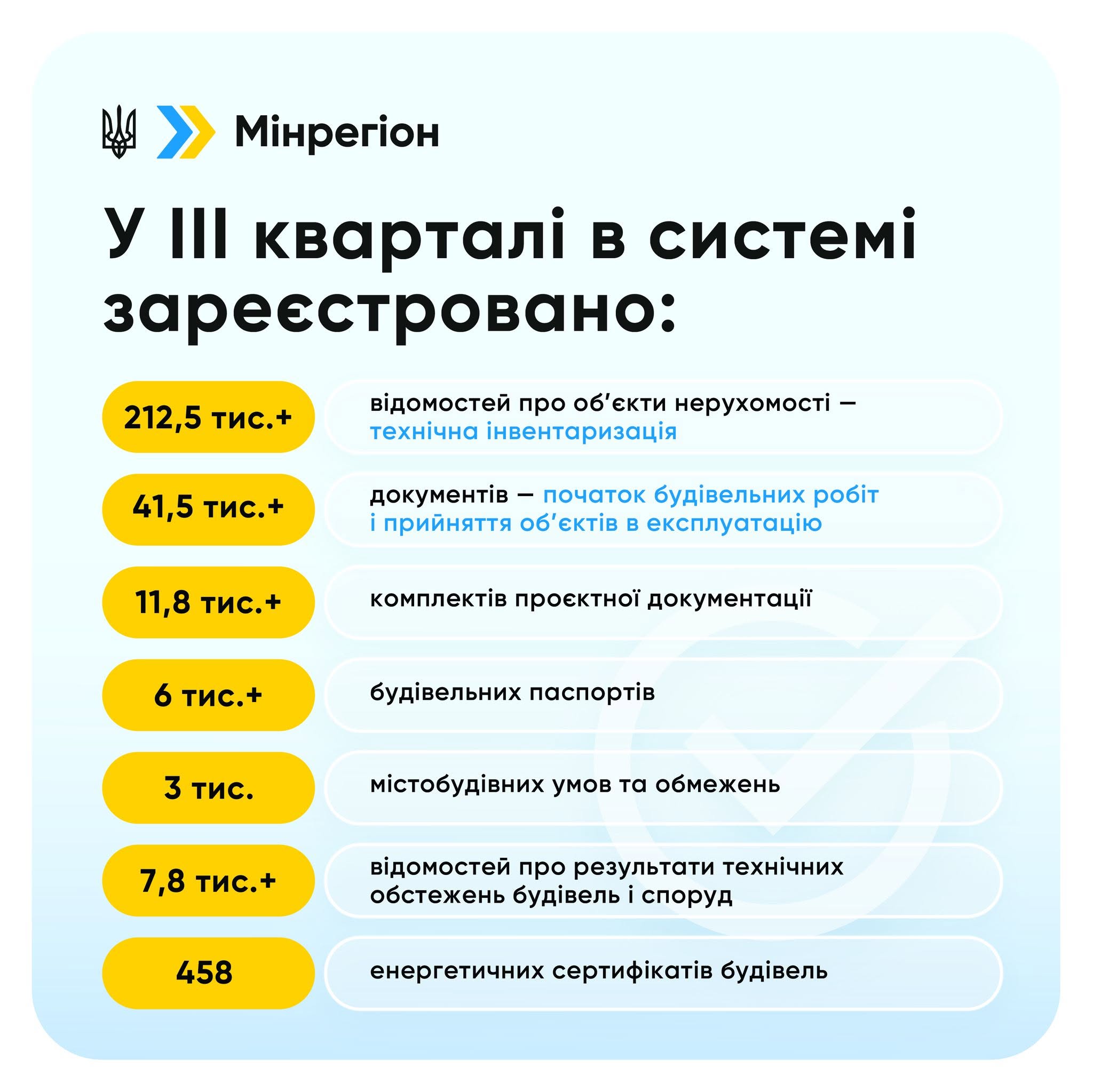
From design and obtaining permits to commissioning facilities and registering property rights, the Unified State Electronic System in Construction brings key processes together in one system. In July–September, it gained new digital capabilities and nearly 11 thousand users. The system now has more than 180 thousand users in total, who have carried out more than 9.6 million registration actions.
New digital capabilities for the construction industry were launched in the III quarter.
▪️ Online appeals against refusals to issue urban planning conditions and restrictions. Construction clients can contact DIAM through their EDESSB personal account if they consider a refusal unjustified.
▪️ More capabilities for the “Transparent Construction” app. Technical inventory specialists can now use it to verify work locations and photograph the actual condition of buildings and structures. This helps improve the reliability of data in the system.
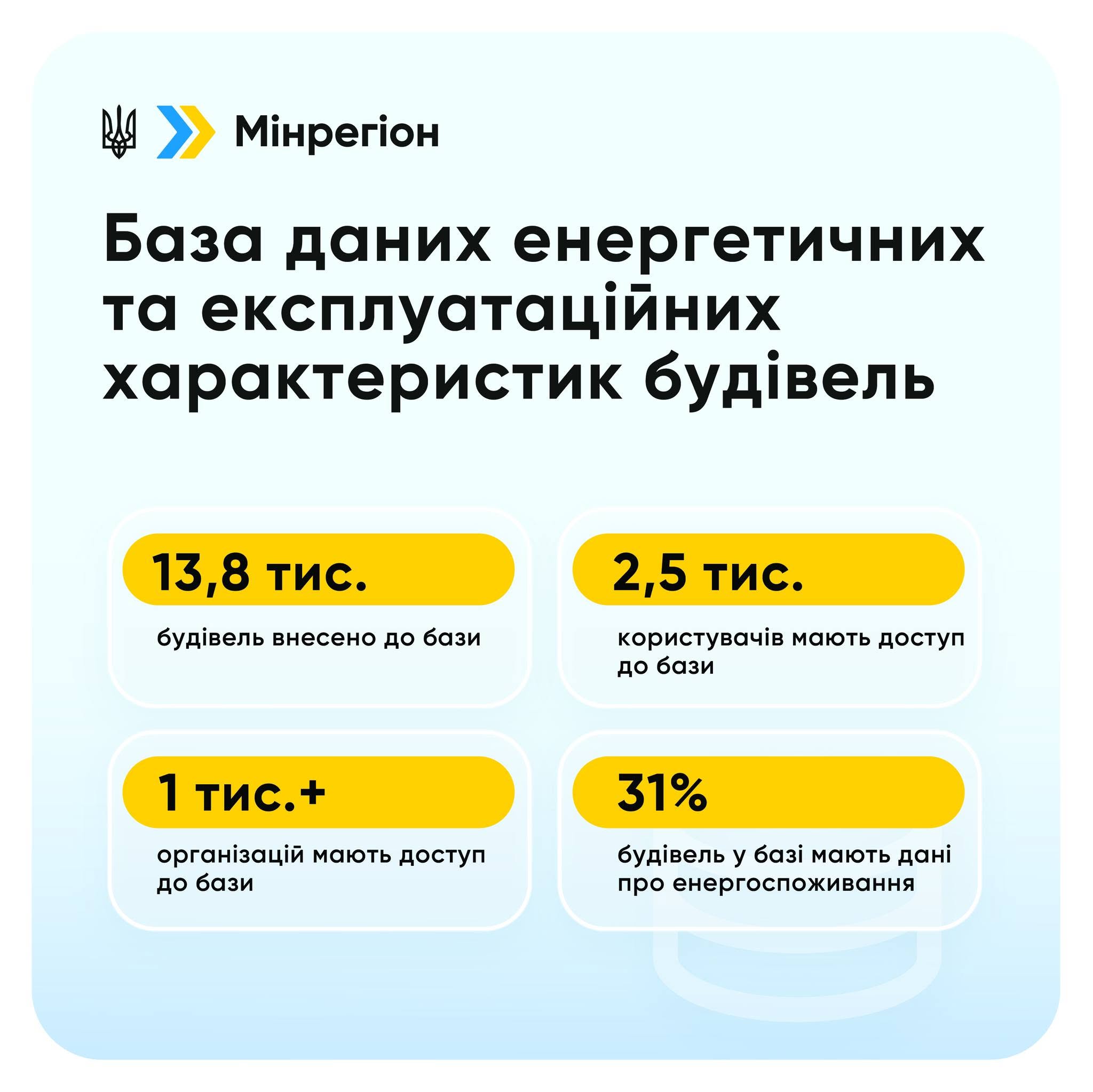
▪️ Development of the database of building energy and operational performance, which organises information needed to assess energy efficiency and plan energy modernisation.
Planned updates include services for building individual homes through Diia and administrative service centres, an updated procedure for assigning property addresses, and improved registration of special property rights for facilities being reconstructed.
EDESSB has operated since July 2020. It digitalises construction procedures, interacts with state registers and automates checks, making services easier to obtain and reducing corruption risks.
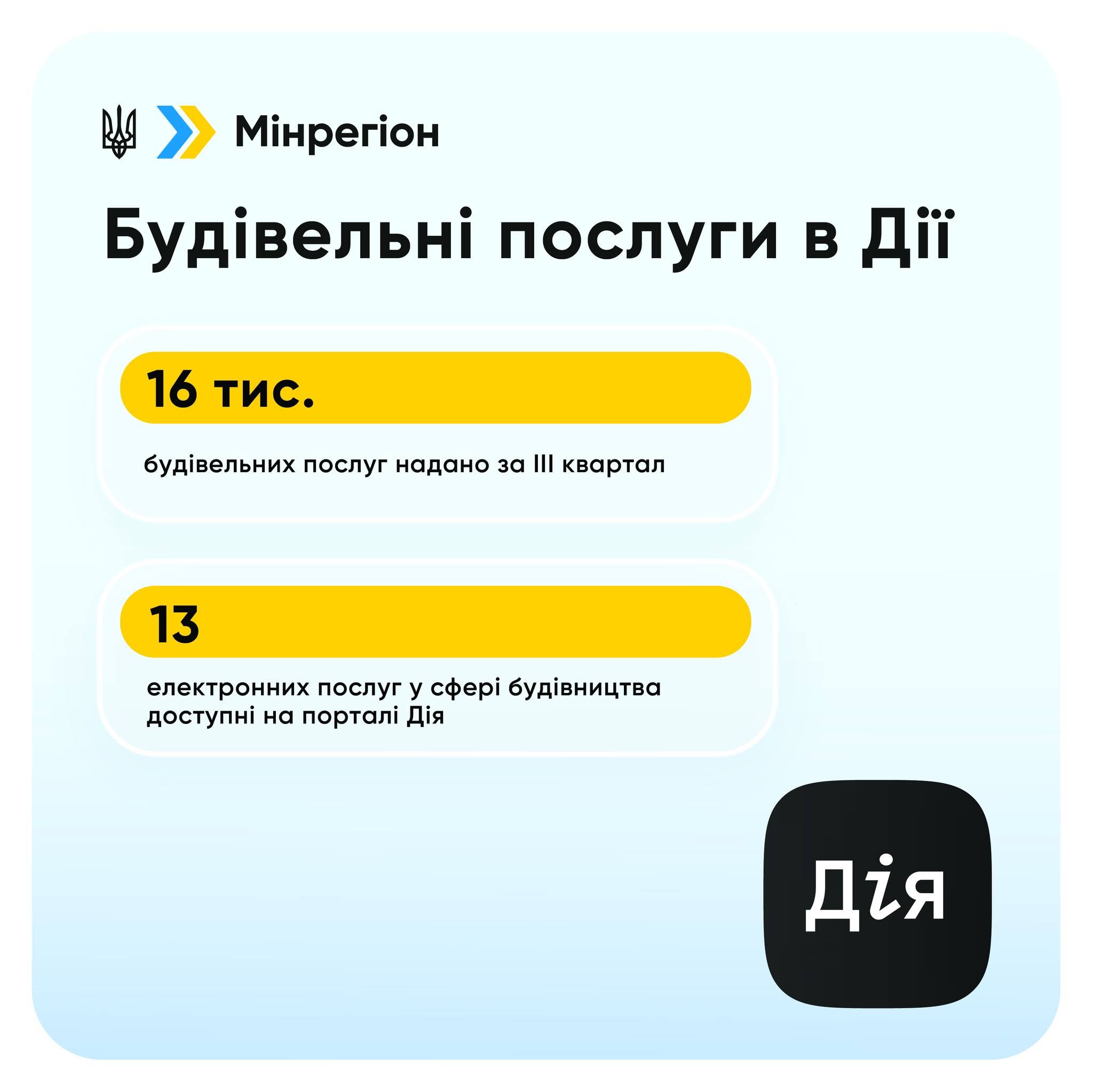
More about EDESSB's results in the infographic
Digital services in construction are being developed by the Ministry for Communities, Territories and Internally Displaced Persons of Ukraine together with the Ministry of Digital Transformation of Ukraine. Development of these digital services was supported by the “Digitalisation for Growth, Integrity and Transparency” (UK DIGIT) project, implemented by Eurasia Foundation and funded by UK International Development. The project partner is East Europe Foundation.