Diia

This website is in test mode
We apologise for any temporary inconvenience. The information on this website is continually updated and expanded.

We apologise for any temporary inconvenience. The information on this website is continually updated and expanded.
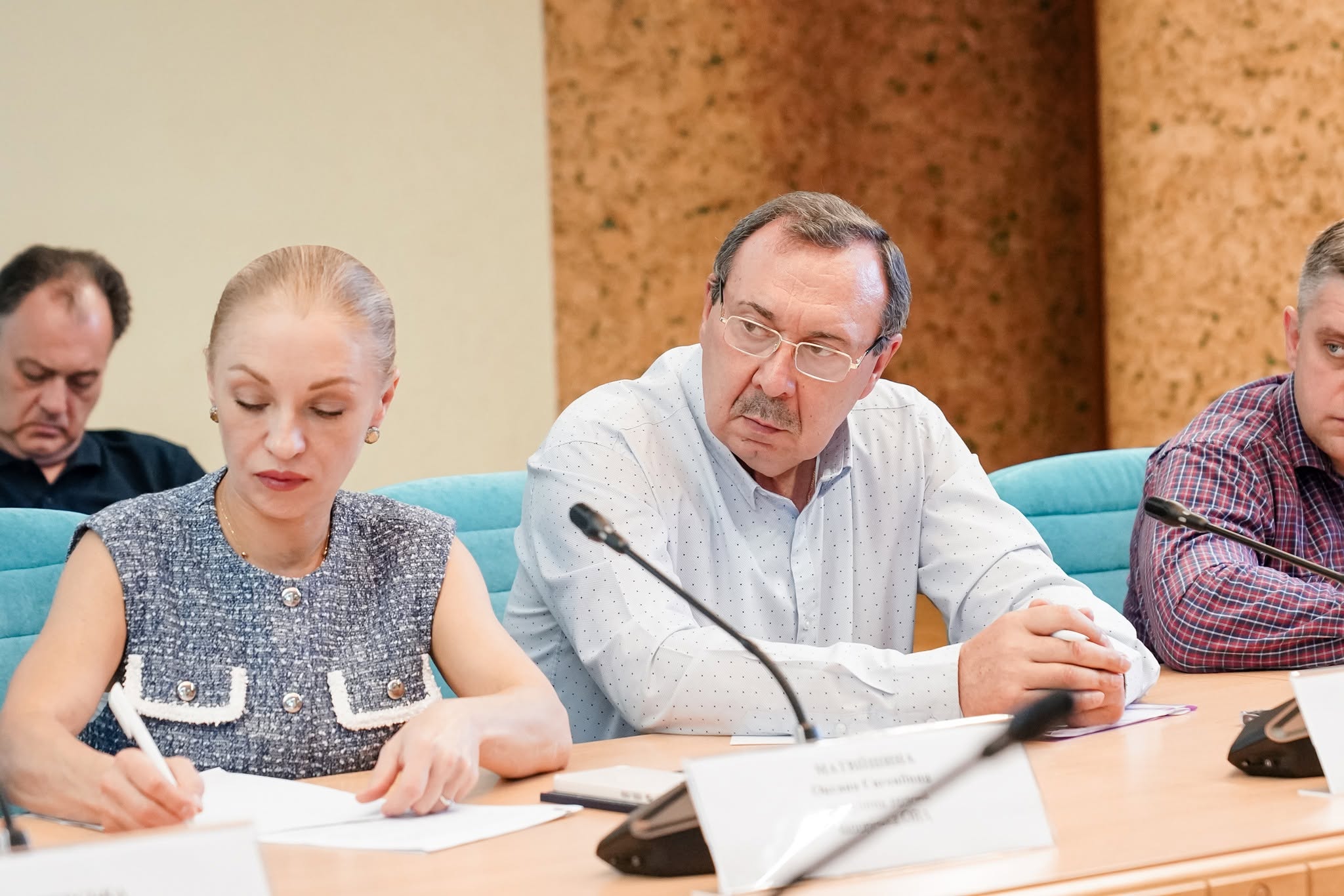
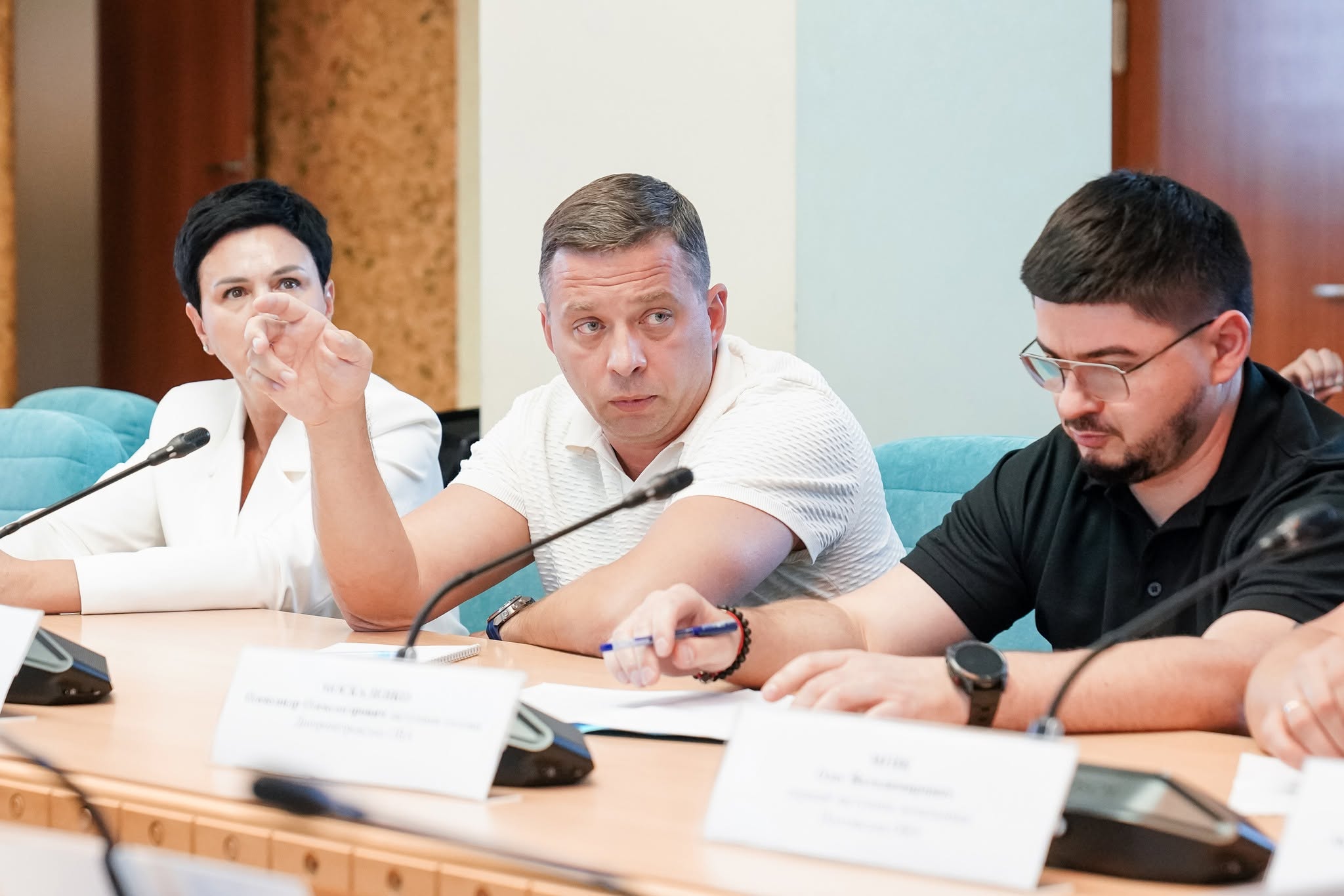
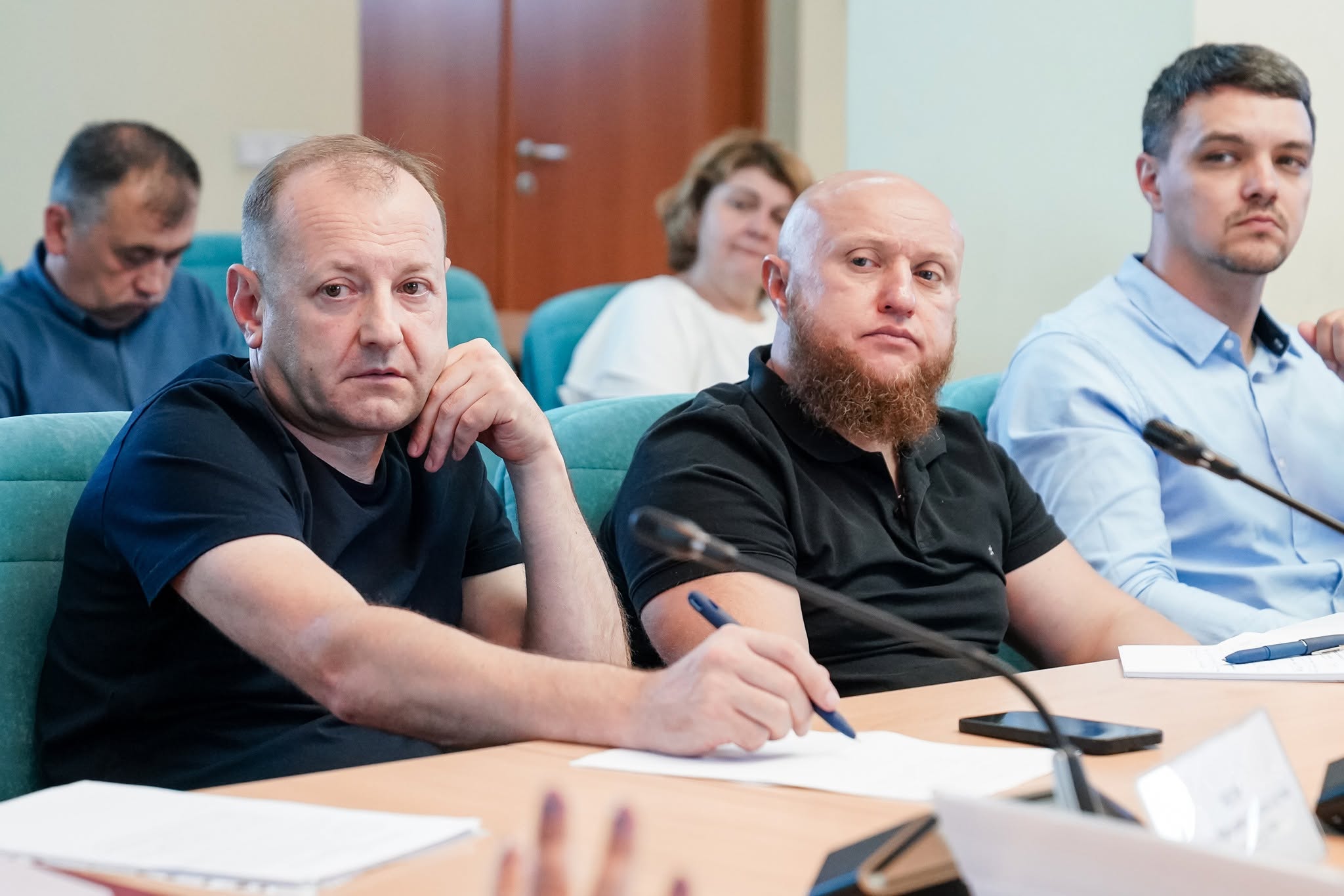
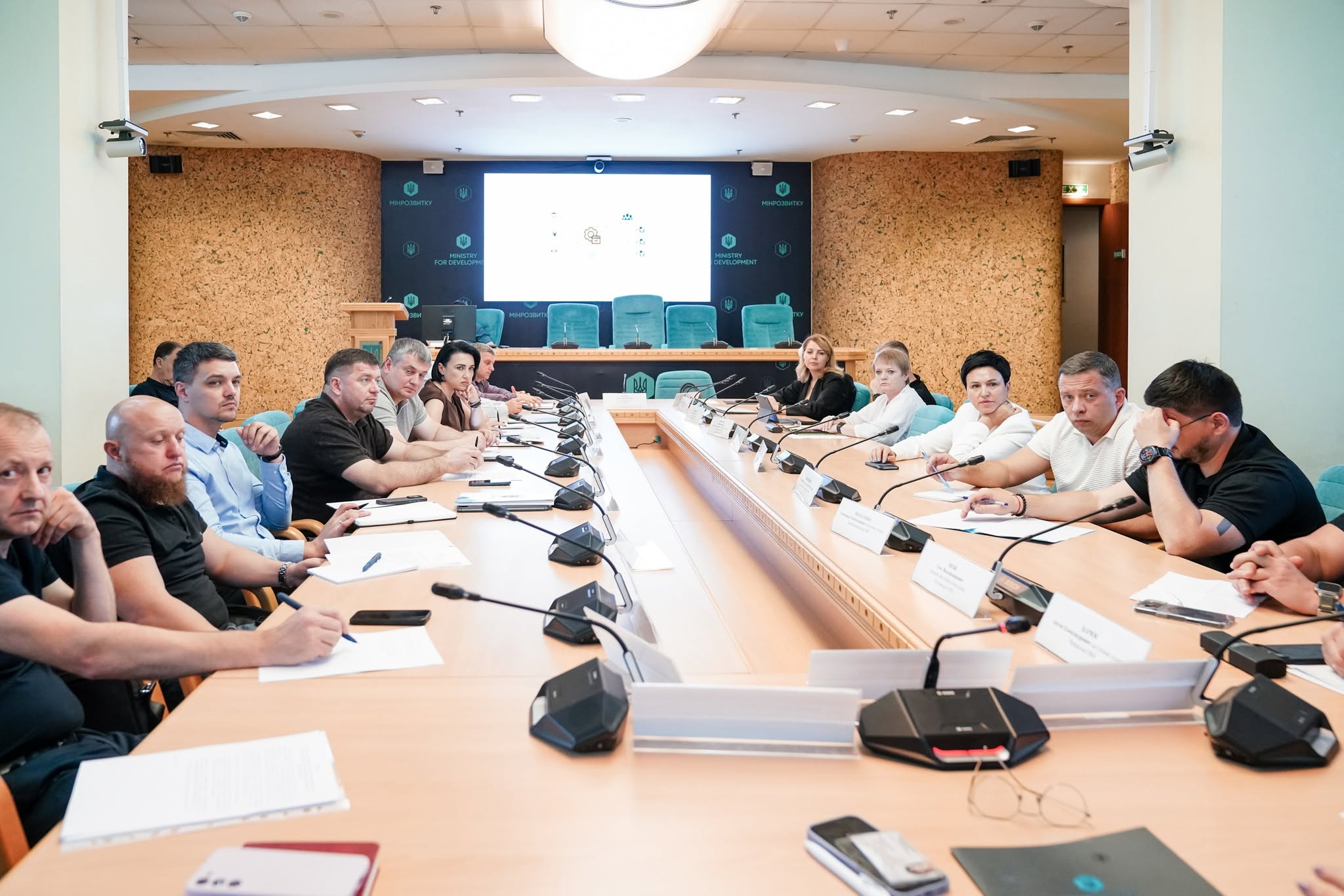
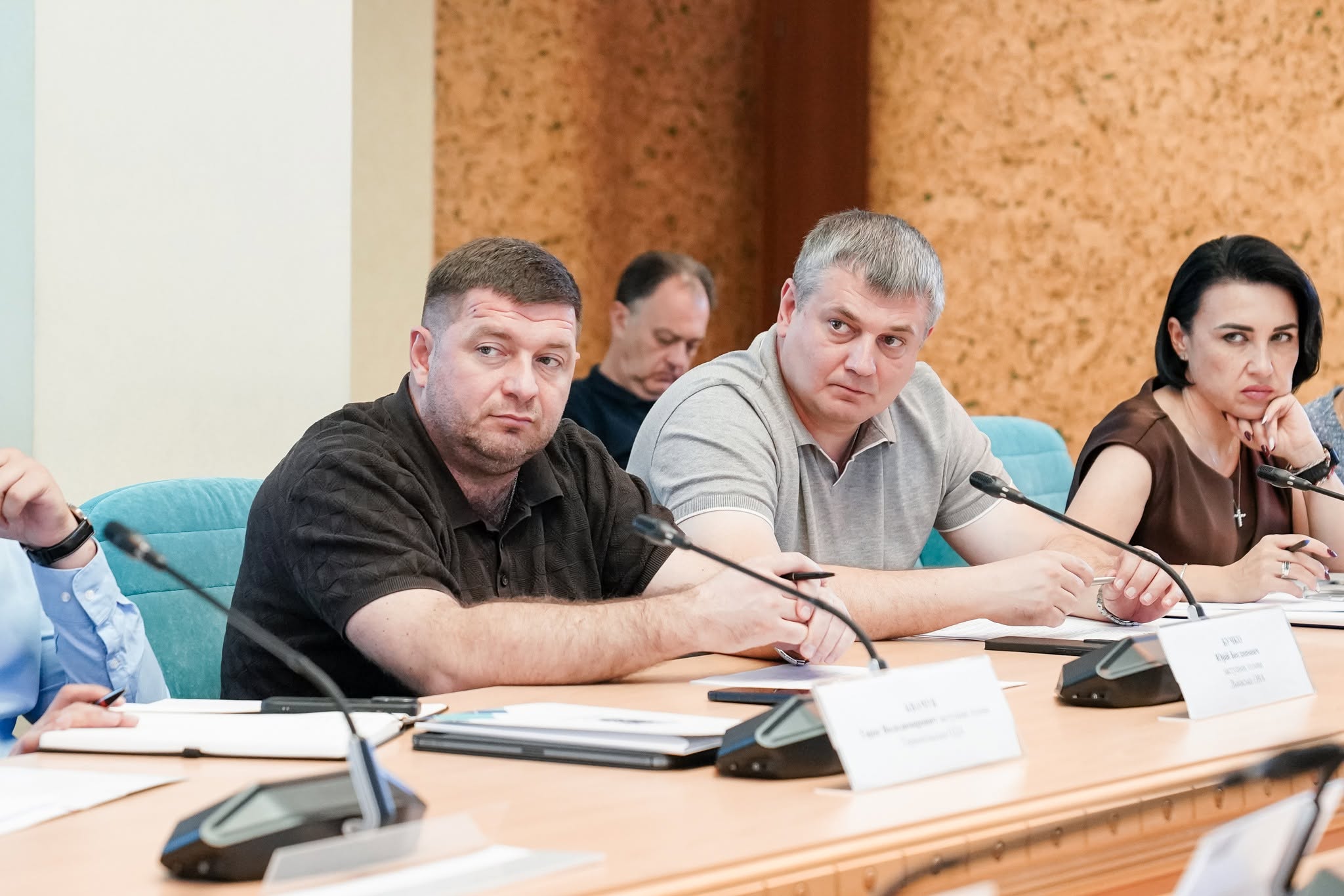
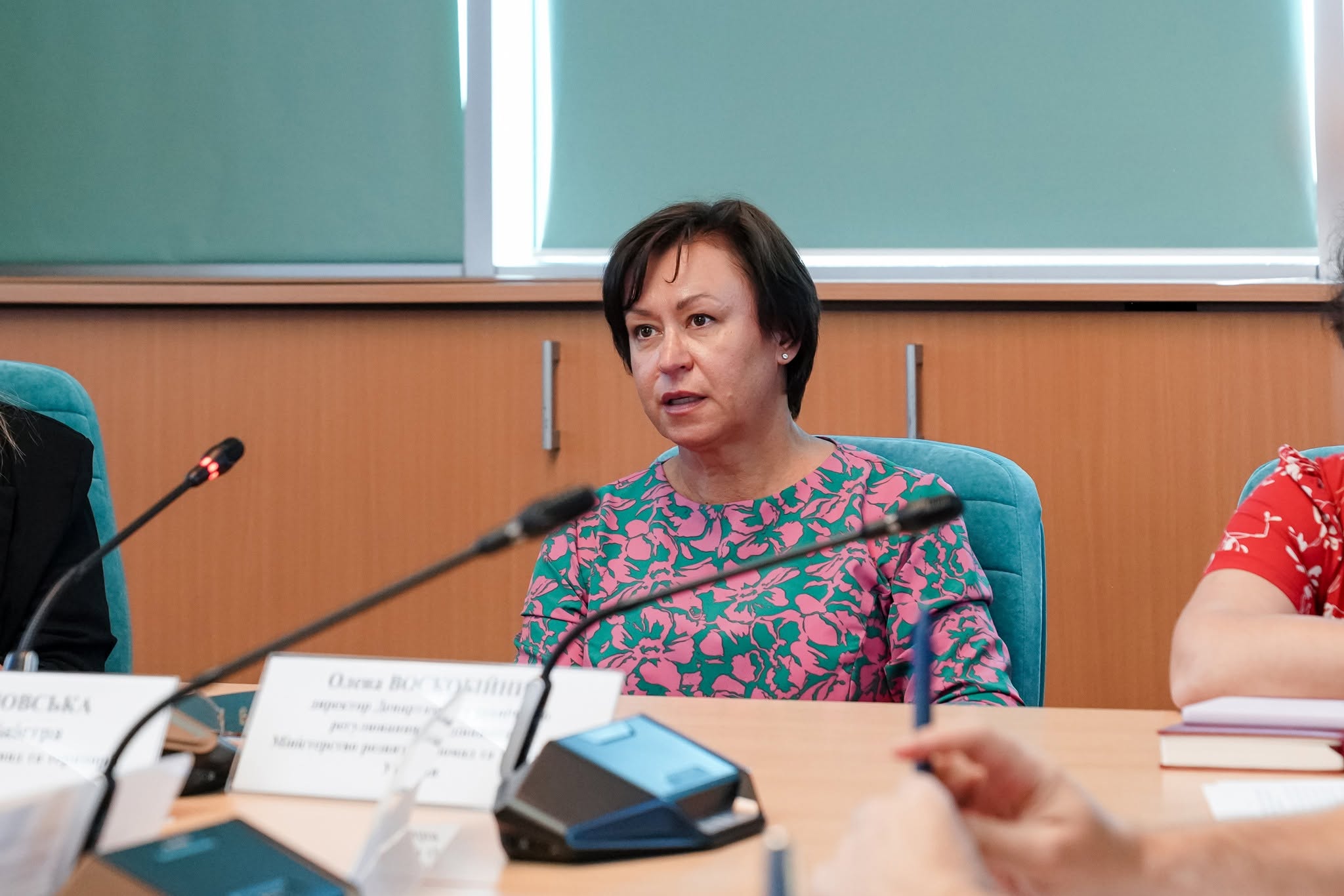
Deputy Minister Nataliia Kozlovska held a meeting with deputy heads of the regional military administrations and the Kyiv City State Administration.
The main topic was the systematic addition of information from regional manufacturers and suppliers to the Price Database for construction products and other material resources.
The Price Database is one of the key instruments of the comprehensive reform of pricing in publicly funded construction.
After 1 January 2027, once the initial population is complete, the Database is expected to become a fully operational tool for price analysis and determining material costs in construction projects. It will bring together information on construction product prices from various sources and become a single convenient source of current data for construction clients.
“Our goal is for the Price Database to become a practical working tool both for clients and for other construction participants. Communities should not have to look for information on construction material prices anew every time: they should be able to obtain the necessary data from a single source. To achieve this, it is important to ensure that manufacturers and distributors in every region also contribute information to the Database systematically. If manufacturers and distributors plan to work on projects financed with public or international funds, they should contribute to populating the Database,” Nataliia Kozlovska said.
Regional administrations have already compiled lists of regional manufacturers and suppliers in the main groups of construction products — the so-called top-100 items most frequently used in construction. The next step is to ensure that construction materials market participants regularly submit up-to-date price information.
For companies that manufacture and supply construction products, the Price Database also provides an opportunity to be represented in future construction projects. If a manufacturer supplies concrete, reinforcing steel, crushed stone or other construction materials, entering current information about its products in the Database enables clients to see them when analysing prices and consider them in construction and reconstruction projects. In other words, the Database will become an additional channel for manufacturers and suppliers to present their products on the construction and reconstruction market.
For its part, Minregion has already held working meetings with representatives of the regions, regional manufacturers and suppliers, and organised a series of training webinars on using the Database for more than 200 industry representatives. The Ministry is also working with professional associations that bring together construction product manufacturers.
Ease of use of the Price Database was another topic. Clear rules for using the Database have already been established for companies, instructions on entering information have been prepared and technical support has been provided. Manufacturers and suppliers can already enter information in the Database free of charge via API, which will help make it more complete and populate it more quickly. Importantly, the price published in the system will be informational and serve as a reference for participants in the construction process.
Following the meeting, the regional military administrations and the Kyiv City State Administration were instructed to work with local manufacturers and representatives of manufacturing companies, help them establish their work with the Price Database and ensure that it is regularly populated with current price information.
With support from EU4Reconstruction (Component 1), the Better Regulation Delivery Office BRDO is helping to support the launch of the State Database of Prices for Construction Products (BDTs), which is being implemented by the Ministry for Communities, Territories and Internally Displaced Persons of Ukraine.
The project is implemented with support from EU4Reconstruction, which is funded by the European Union and co-funded and co-implemented by Denmark, Germany, France and Lithuania.