Diia

Tags
We apologise for any temporary inconvenience. The information on this website is continually updated and expanded.

Ensuring the continuity of programmes that help people repair damaged homes and purchase new homes to replace those destroyed is one of the key priorities of Minregion’s housing policy.
Tags
Ensuring the continuity of programmes that help people repair damaged homes and purchase new homes to replace those destroyed is one of the key priorities of Minregion’s housing policy.
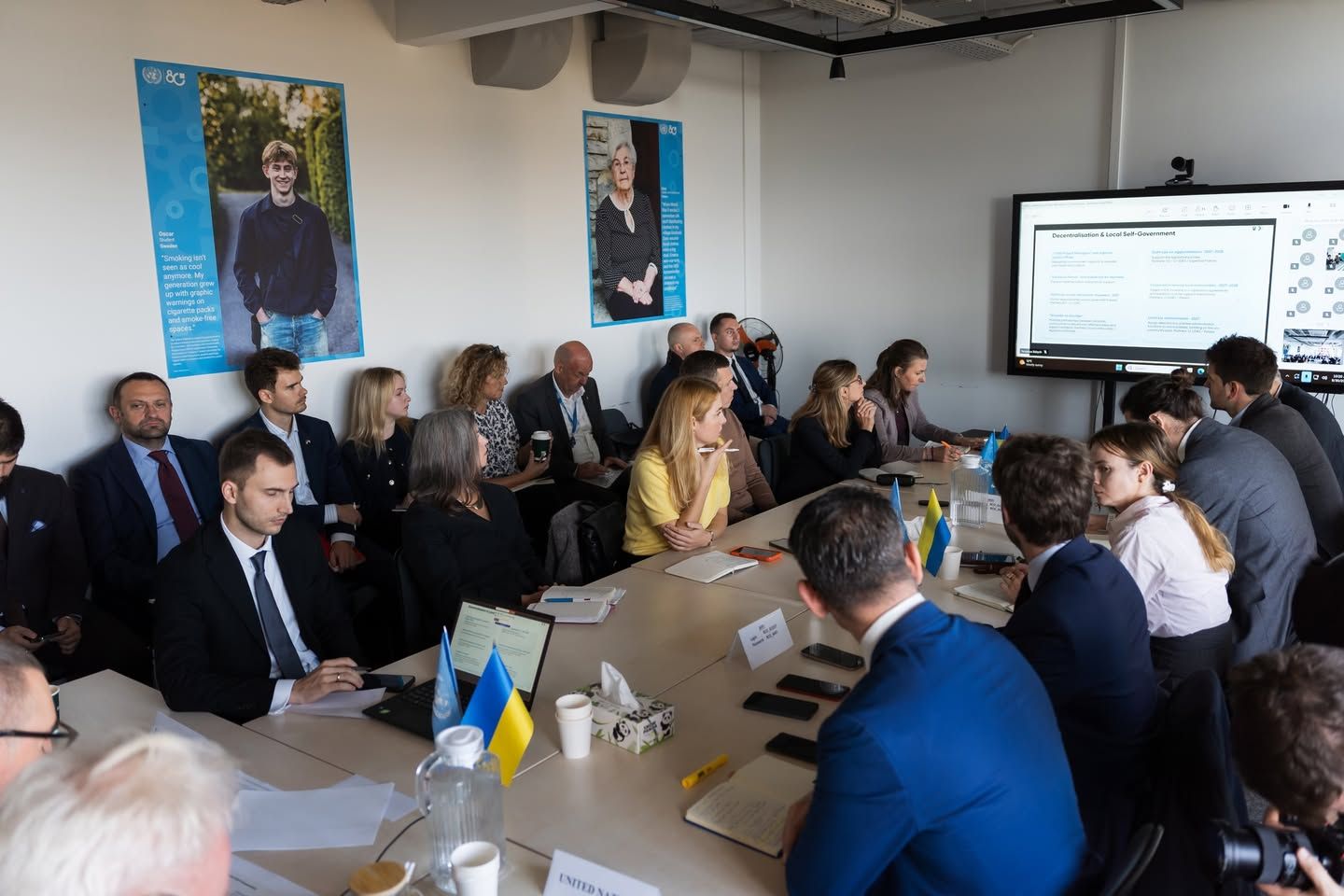
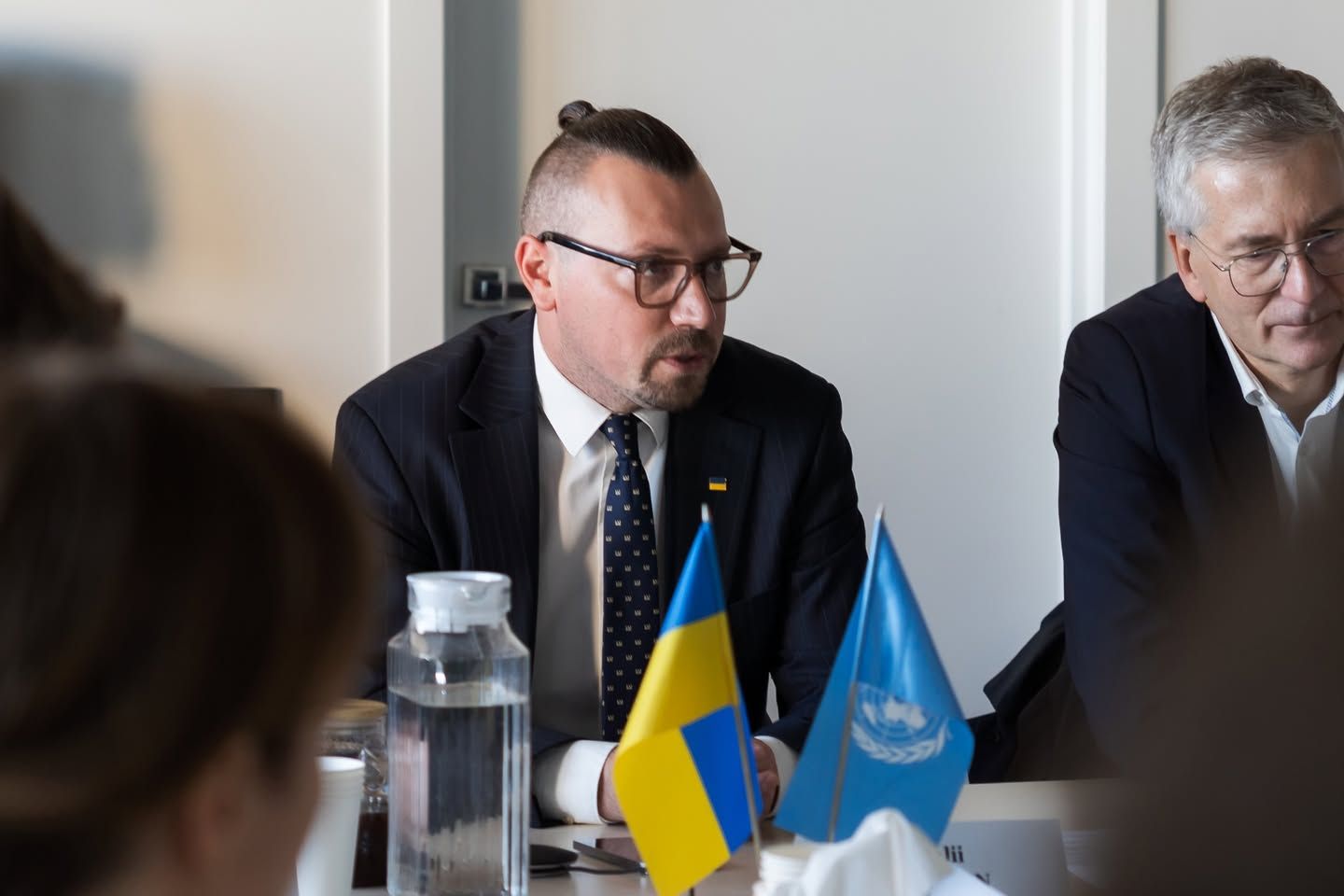
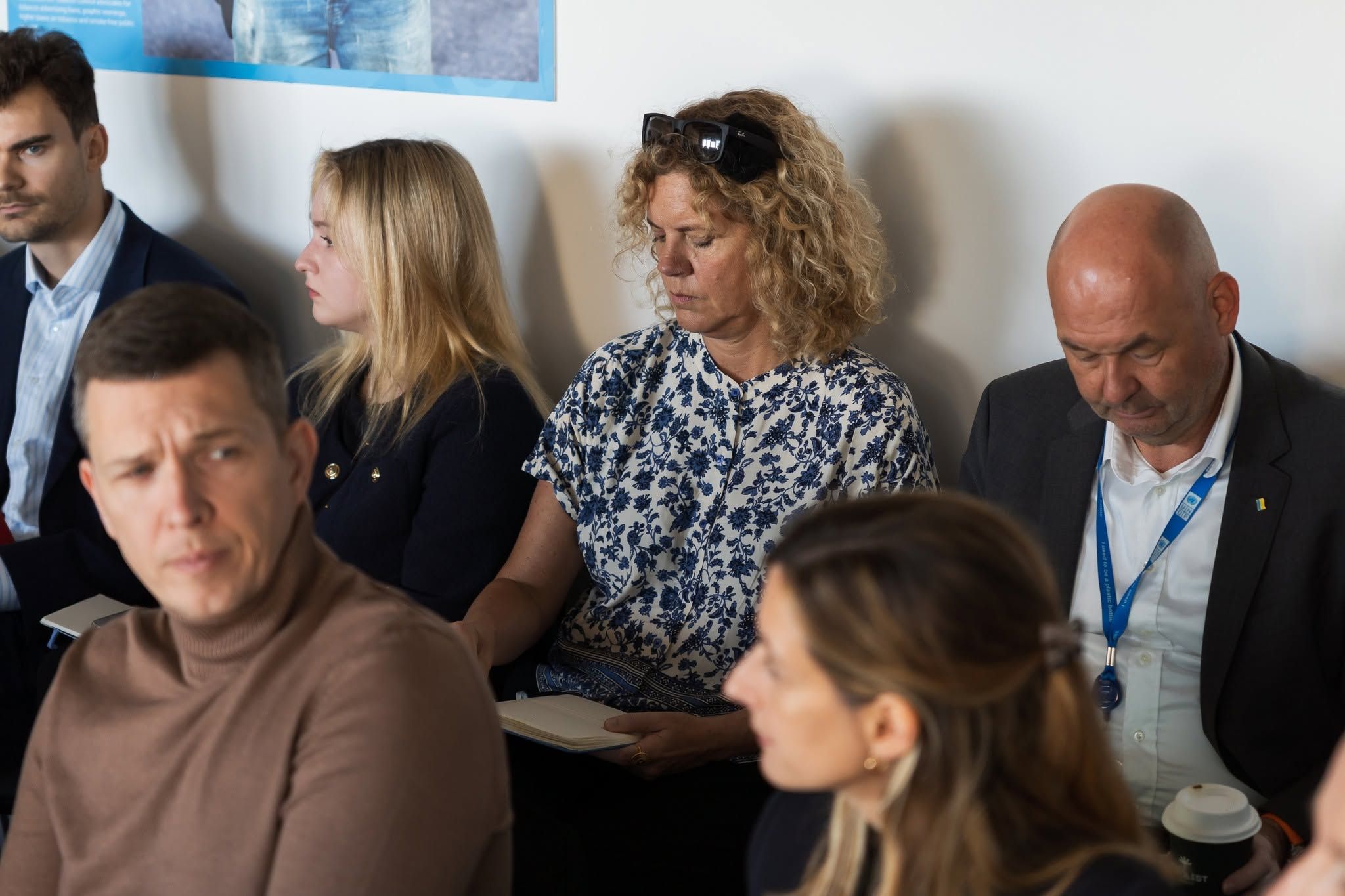
This was discussed during a coordination meeting between Minister Vitalii Bezghin, the Minregion team and more than 40 representatives of embassies, international organisations and financial institutions.
We presented partners with specific needs under housing programmes and discussed additional support and opportunities to scale up existing mechanisms. These programmes are already operating and have earned the trust of our partners. The next step is to increase funding so that assistance reaches more people.
“It is important for us to build a stable system for financing housing assistance. This will allow us to ensure the continuity of programmes, restore damaged housing more quickly and increase the number of people who can obtain a new home to replace one that has been destroyed,” said Vitalii Bezghin.
More opportunities for comprehensive housing recovery. Additional funding of EUR 112.5 million under the EU/UIF guarantee mechanism is awaiting final approval by the World Bank. The funds will be used for payments to repair damaged houses and apartments under eVidnovlennia.
Compensation for destroyed housing. Under the HOME project, supported by the Council of Europe Development Bank, EUR 100 million will make it possible to finance around 3,600 housing certificates this year. At the same time, more than 60,000 certificates still need funding. It is therefore important to secure additional resources to scale up the programme. The project also provides for more than EUR 11 million in technical assistance to strengthen the compensation system.
Another key area requiring support is housing assistance for internally displaced persons from temporarily occupied territories. EUR 80 million is expected to fund more than 2,000 housing vouchers by the end of 2026. At the same time, around 36,804 vouchers still need funding. These are applications approved by local commissions. In its first stage, the programme covers internally displaced persons who have left their homes in temporarily occupied territories and have combatant status or a disability resulting from the war. The programme requires additional resources and support from partners to expand housing assistance for internally displaced persons.