Diia

This website is in test mode
We apologise for any temporary inconvenience. The information on this website is continually updated and expanded.

We apologise for any temporary inconvenience. The information on this website is continually updated and expanded.
Joint post
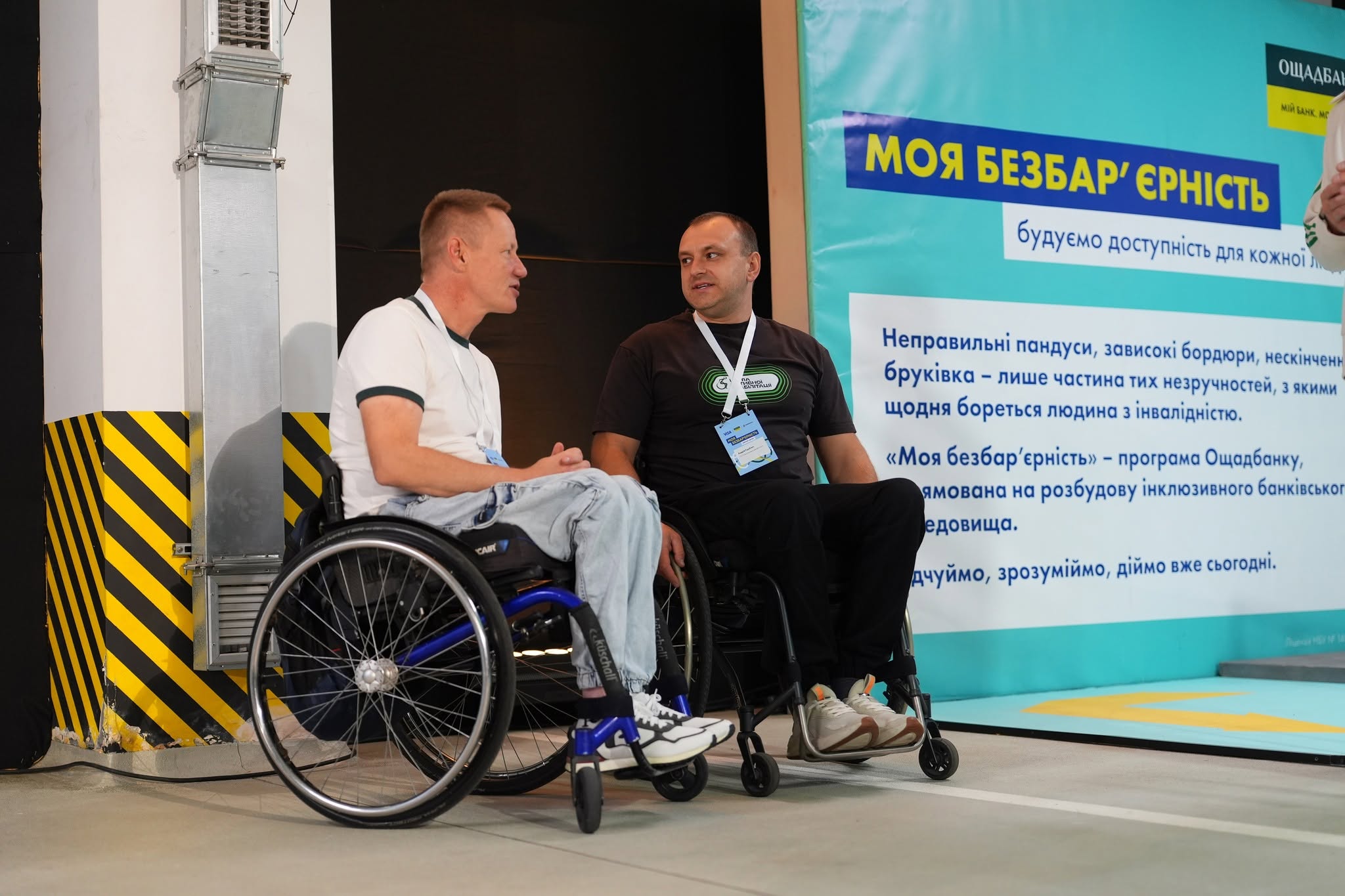
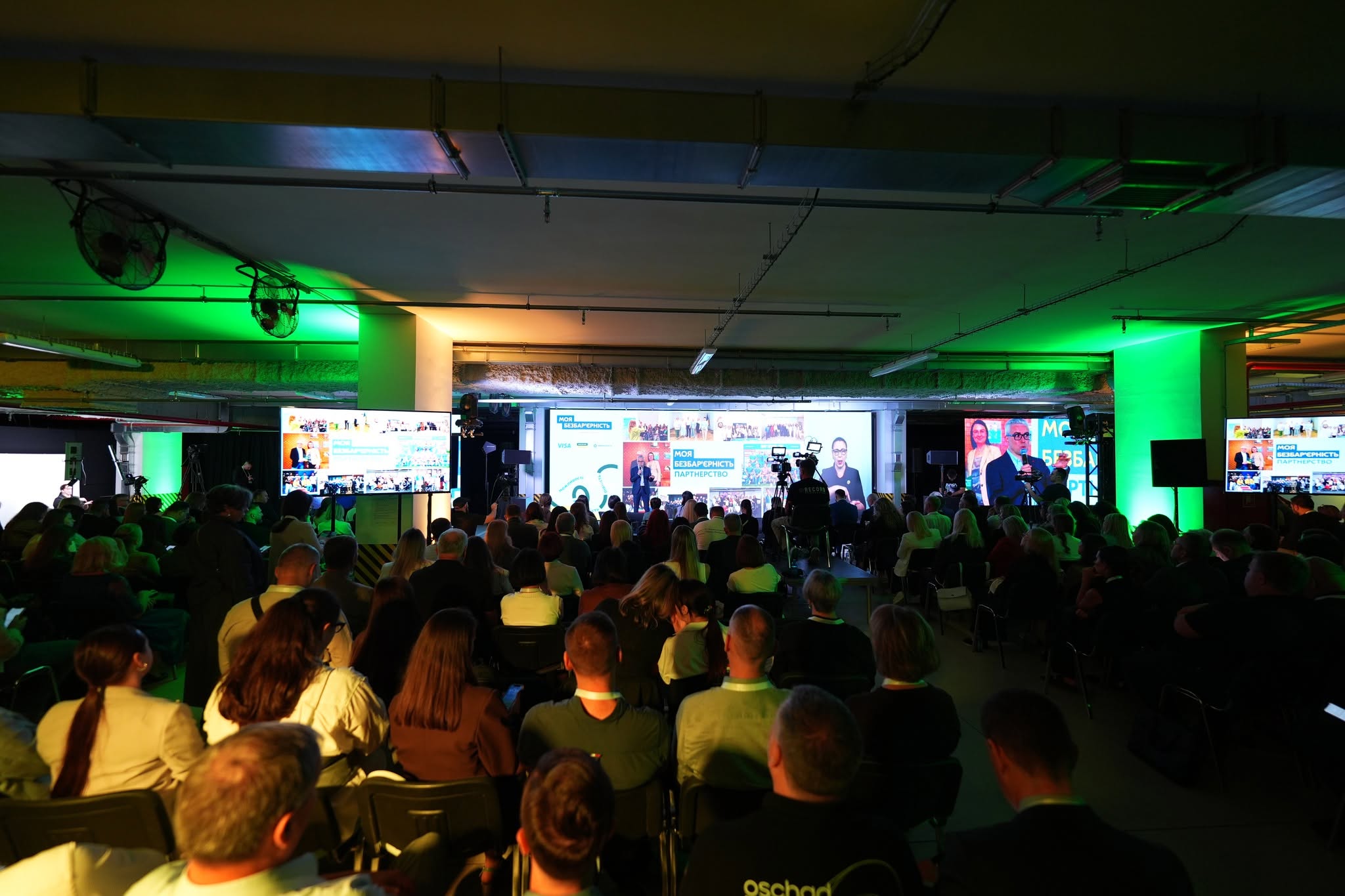
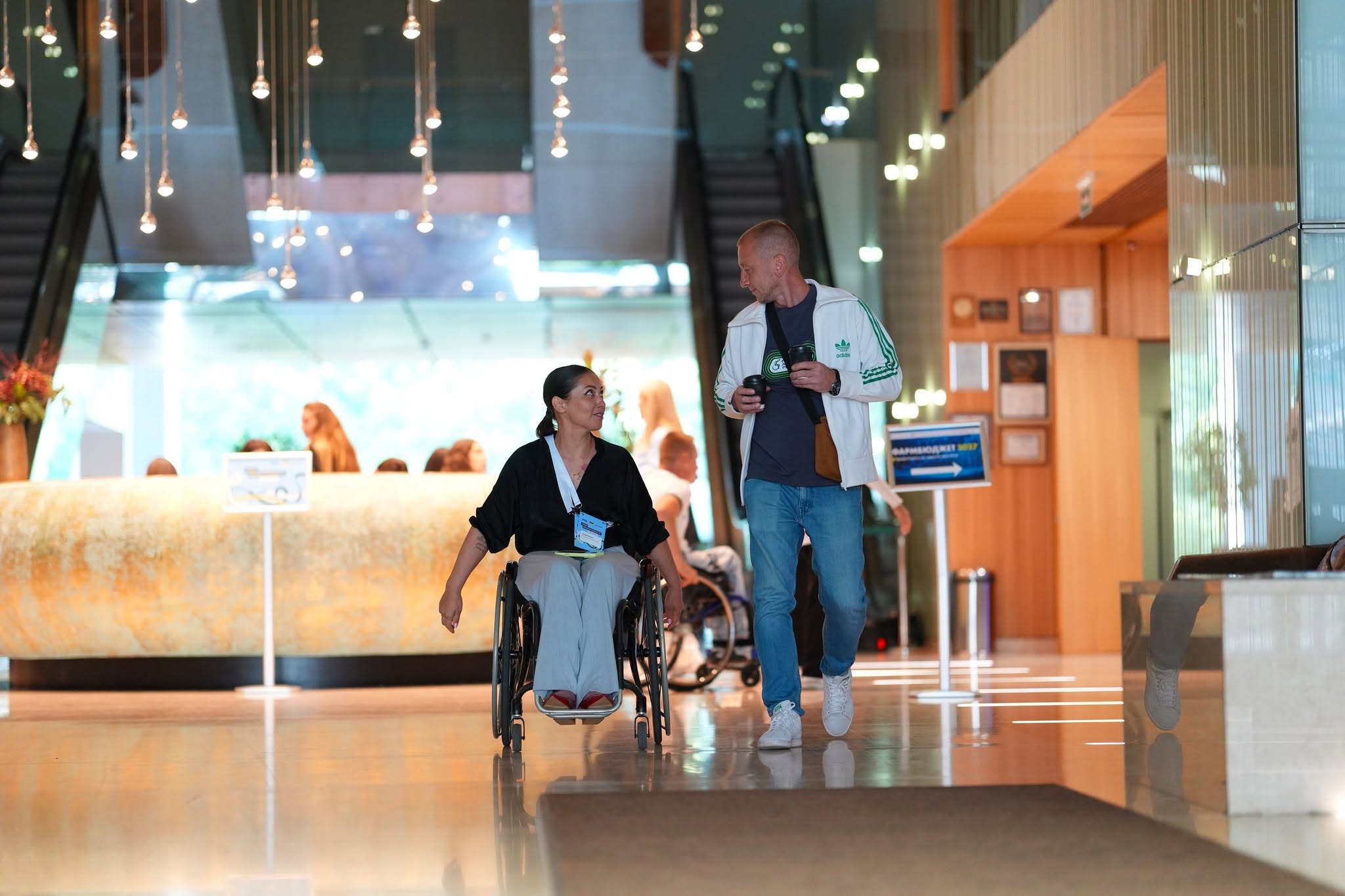
For the third time, the National Forum “My Accessibility” brought together representatives of the state, communities, businesses, the veteran community, civil society and accessibility ambassadors.
📌The focus is on the practical implementation of the National Strategy for Creating a Barrier-Free Environment in Ukraine and solutions that make accessibility part of everyday life in services, education, the digital environment, urban spaces and corporate culture.
This year, participants discussed both plans and the progress already made, successful solutions and experience that should inform future work.
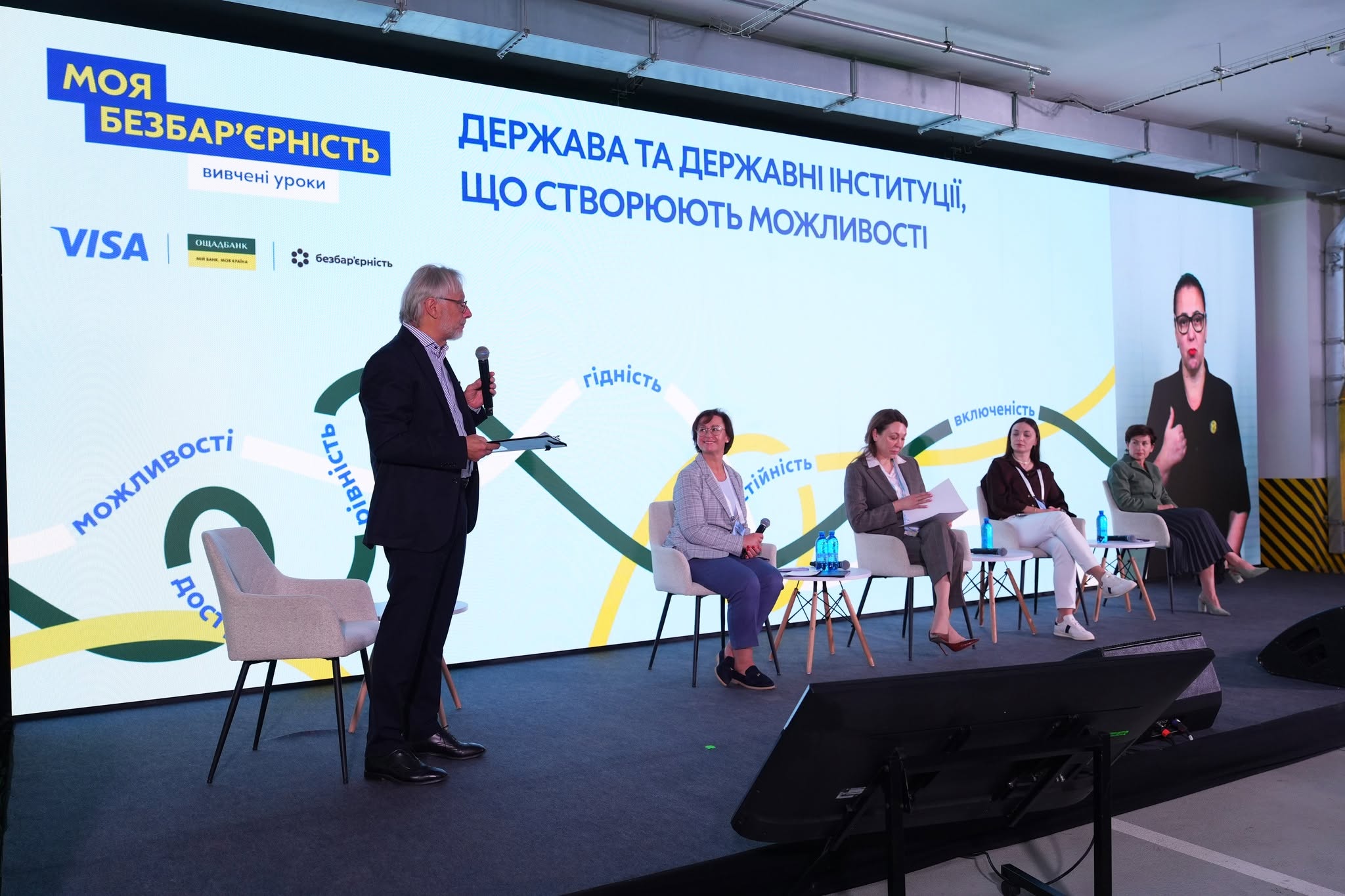
During the panel discussion “The State and State Institutions Creating Opportunities”, Deputy Minister Nataliia Kozlovska spoke about Minregion’s key areas of work on accessibility.
💬“A service effectively does not exist for a person if they cannot use it. That is why today we are working on concrete solutions that enable people to make full use of the spaces where they live, transport and services, to work, run their own businesses and be active members of society. Our common task is to change the very way accessibility is understood: to focus not only on the barriers we remove, but also on the opportunities we create for people and how we ensure their right to a dignified and independent life,” said Nataliia Kozlovska.
🔹The Barrier-Free Movement project began in 2025 with 15 pilot communities, and there are now 40. The main change is a new approach to planning: the focus is not an individual facility but a person’s journey, from home through the street, a stop and transport to a hospital, educational institution, workplace, administrative service and public space. Accessibility is becoming one of the main criteria for the quality of territorial development.
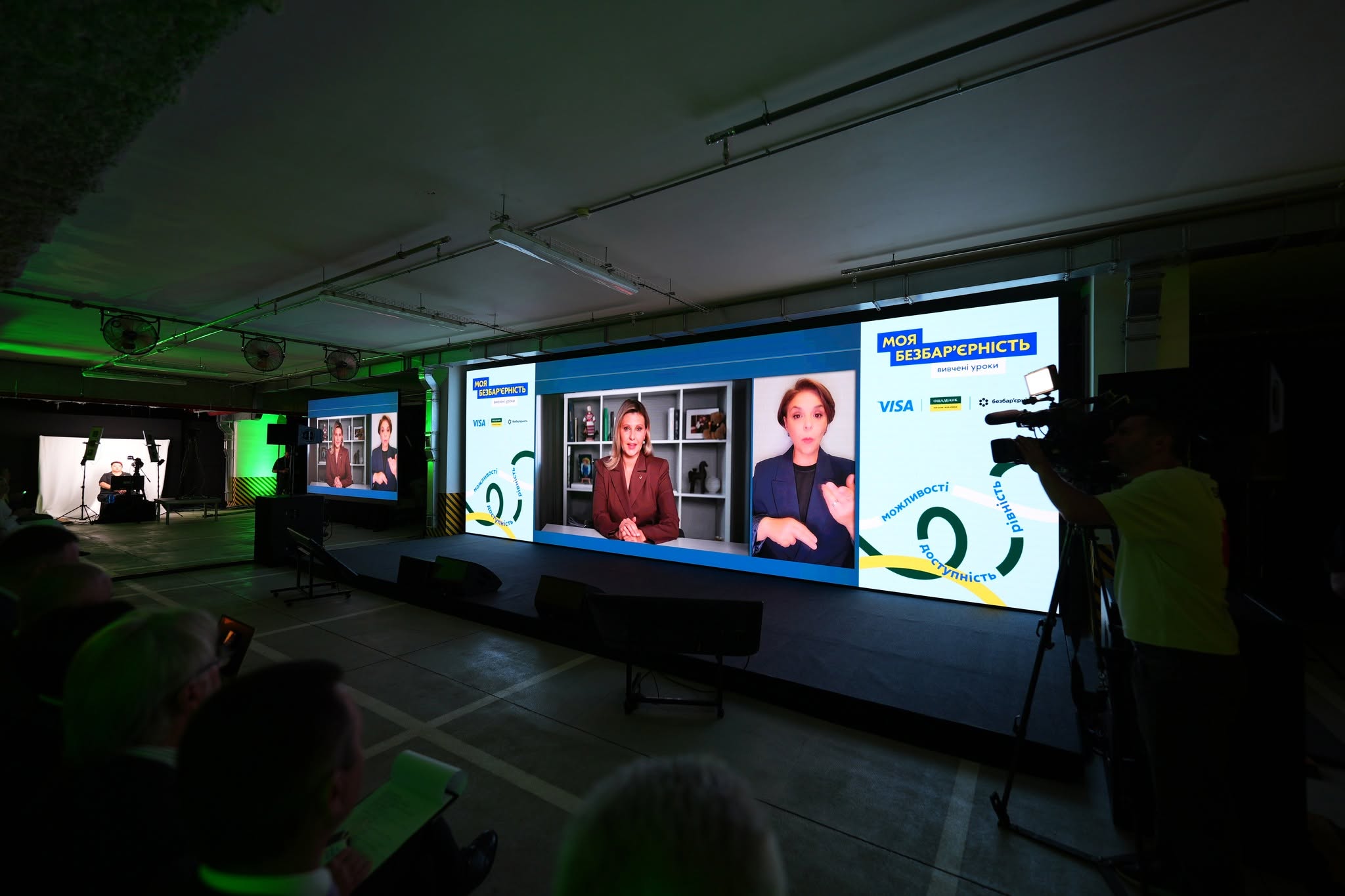
🔹One of the key areas is building a network of accessibility officers in communities. The ministry is working at every level to develop this institution. Officers will coordinate work across different areas — architecture, transport, housing policy, education and social services — so that community decisions take people’s needs into account. An important role is played by an exchange of experience with Austria, launched at the initiative of Ukraine’s First Lady Olena Zelenska. Ukrainian and Austrian teams continue to share practices and seek solutions that can be applied in Ukrainian cities and towns.
📌In parallel, work continues with universities to train specialists who will work on accessibility: community teams, architects and designers. Annual accessibility monitoring in communities also continues. Its purpose is to help identify specific barriers, determine necessary changes and turn monitoring results into practical solutions.
Alongside practical solutions, work is also continuing on a new legislative framework for accessibility. The draft Law “On the Basic Principles of State Policy for Building a Barrier-Free Society in Ukraine” is intended to establish accessibility not as a collection of individual projects but as a unified state policy, with clear rules, responsibilities and implementation mechanisms at the national and local levels.
The III annual forum “My Accessibility. Lessons Learned” was initiated and organised by Oschadbank with the support of Visa as part of the initiative of Ukraine’s First Lady Olena Zelenska“Without Barriers”