Diia

This website is in test mode
We apologise for any temporary inconvenience. The information on this website is continually updated and expanded.

We apologise for any temporary inconvenience. The information on this website is continually updated and expanded.
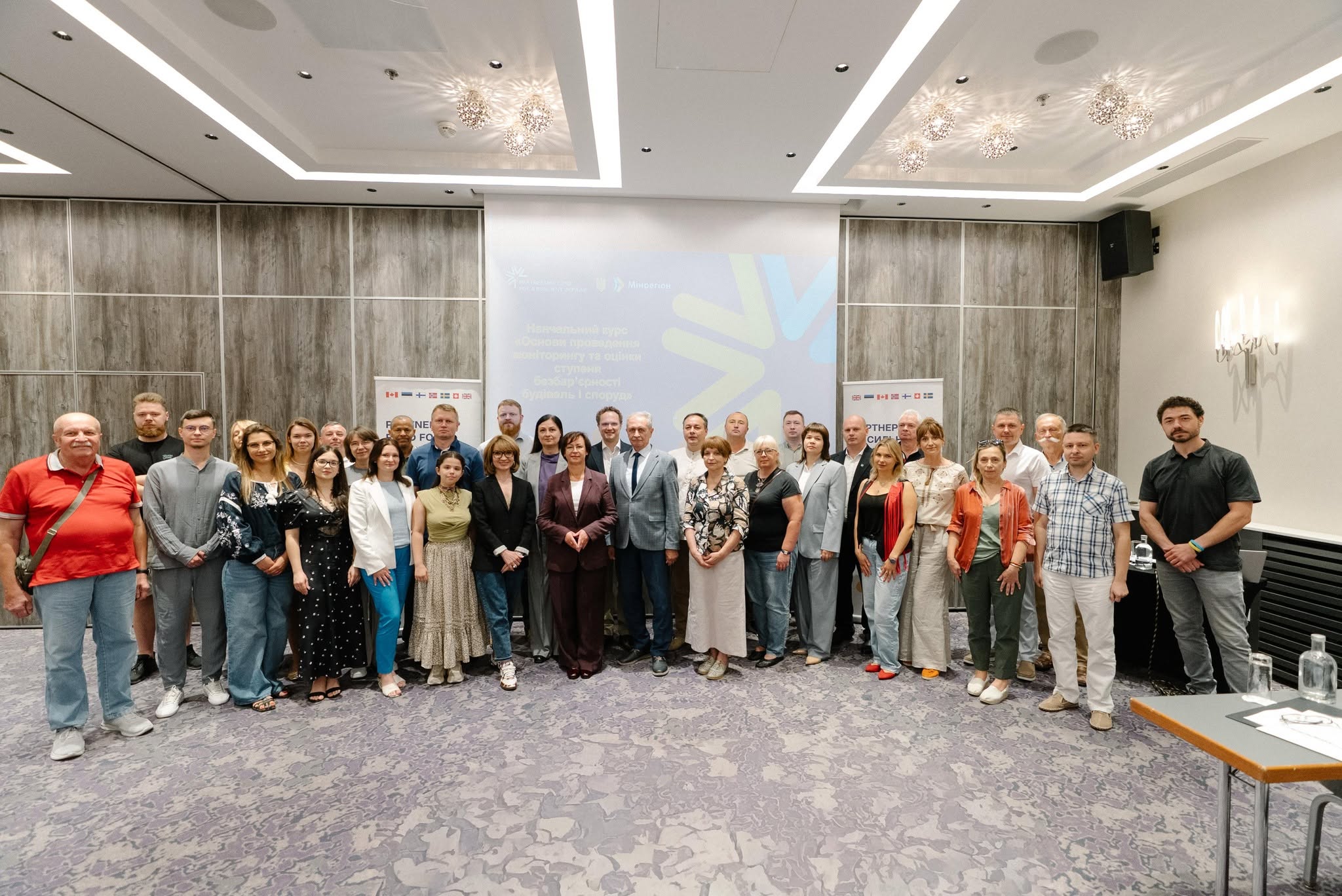
A series of training sessions, “Fundamentals of Monitoring Accessibility of Buildings and Structures”, has begun in Kyiv for higher education teachers. The training will bring together 55 academic staff from 15 universities in different regions of Ukraine.
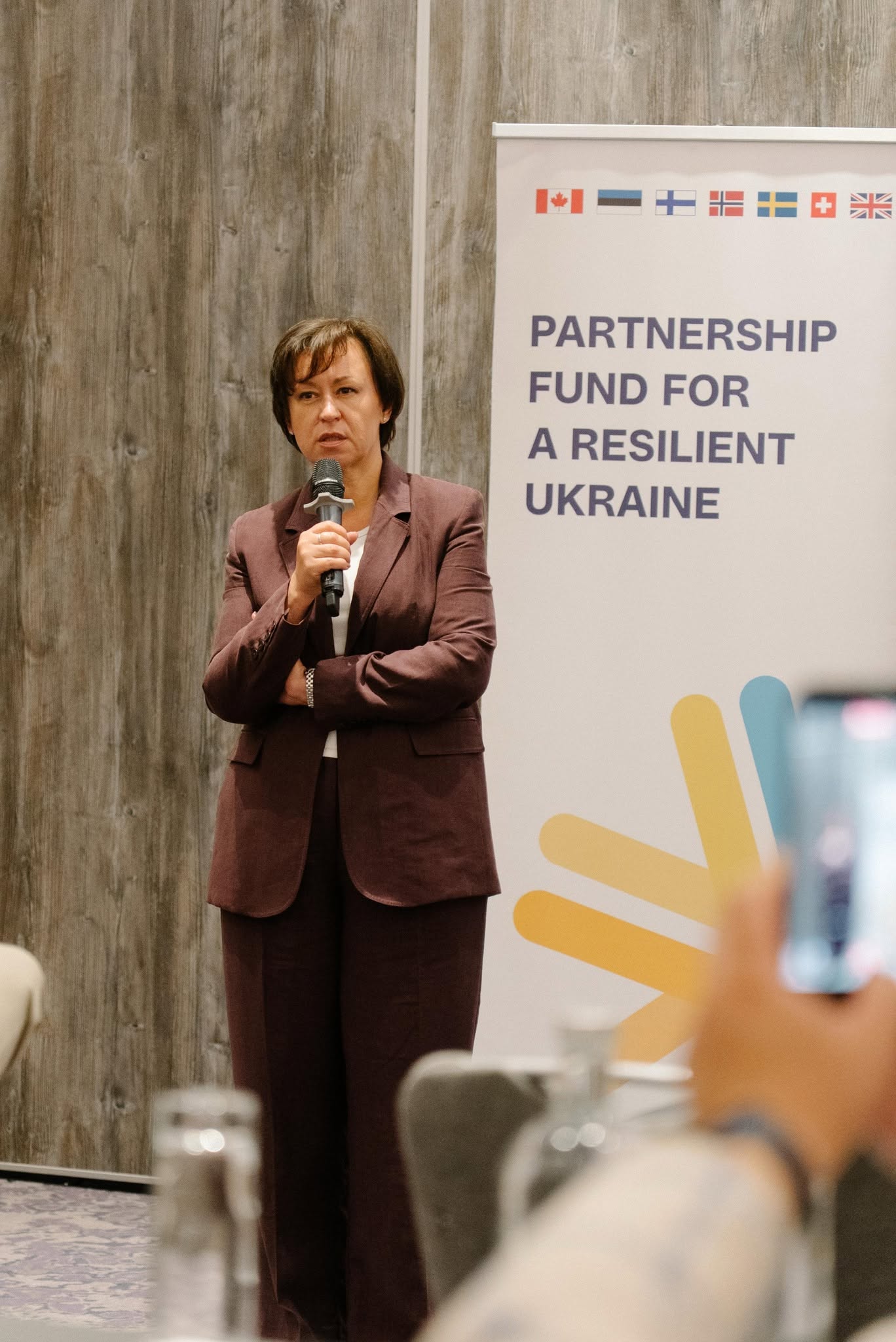
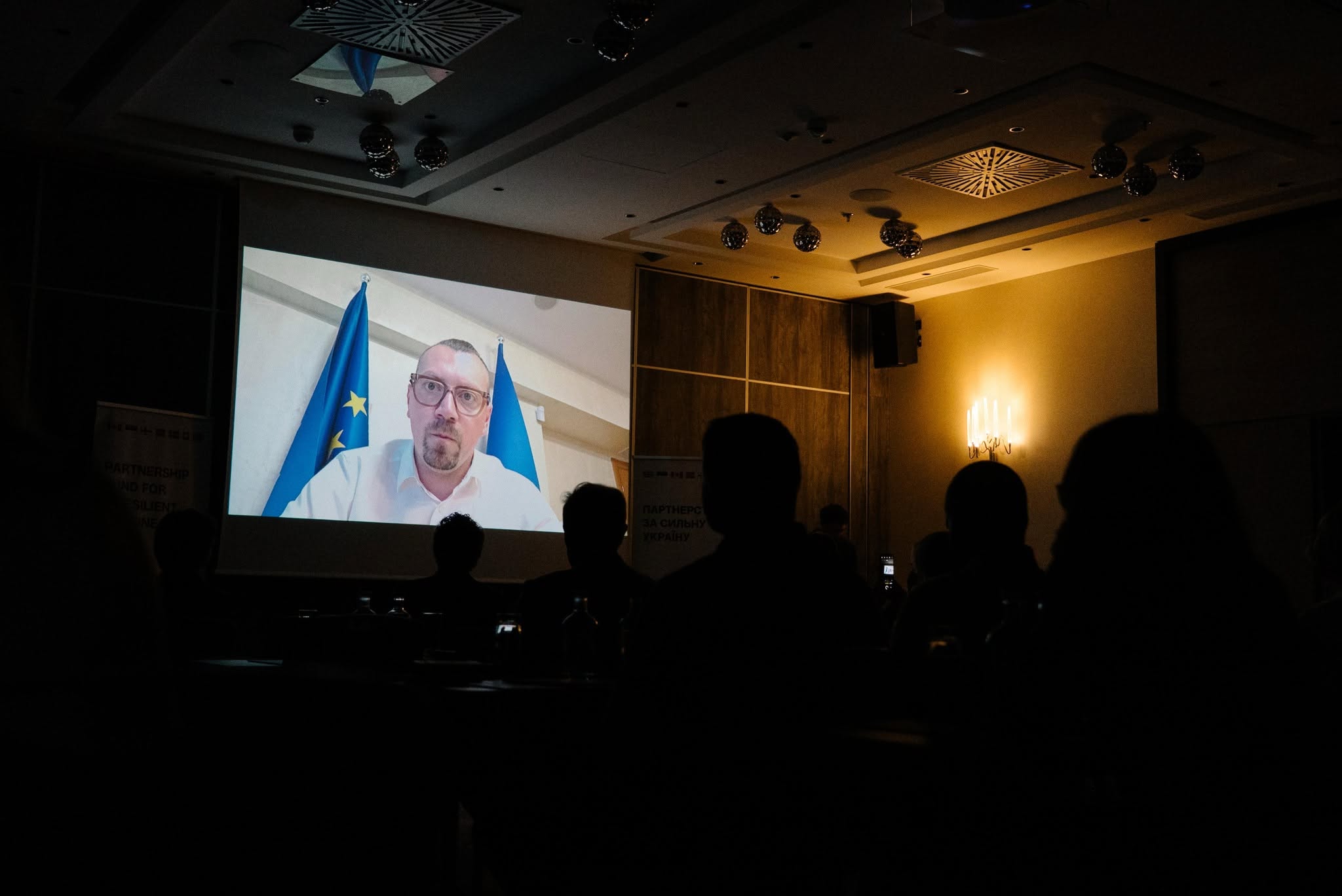
Addressing participants, Minister for Communities, Territories and Internally Displaced Persons of Ukraine Vitalii Bezghin (Vitaliy Bezgin) stressed that such training is first and foremost about human capital, without which practical changes in communities cannot be achieved.
“This is especially important for accessibility. Any decisions at the level of laws, rules or government initiatives are meaningful only when they work in practice, in every community. That is why we need people ready to implement these changes locally,” the minister said.
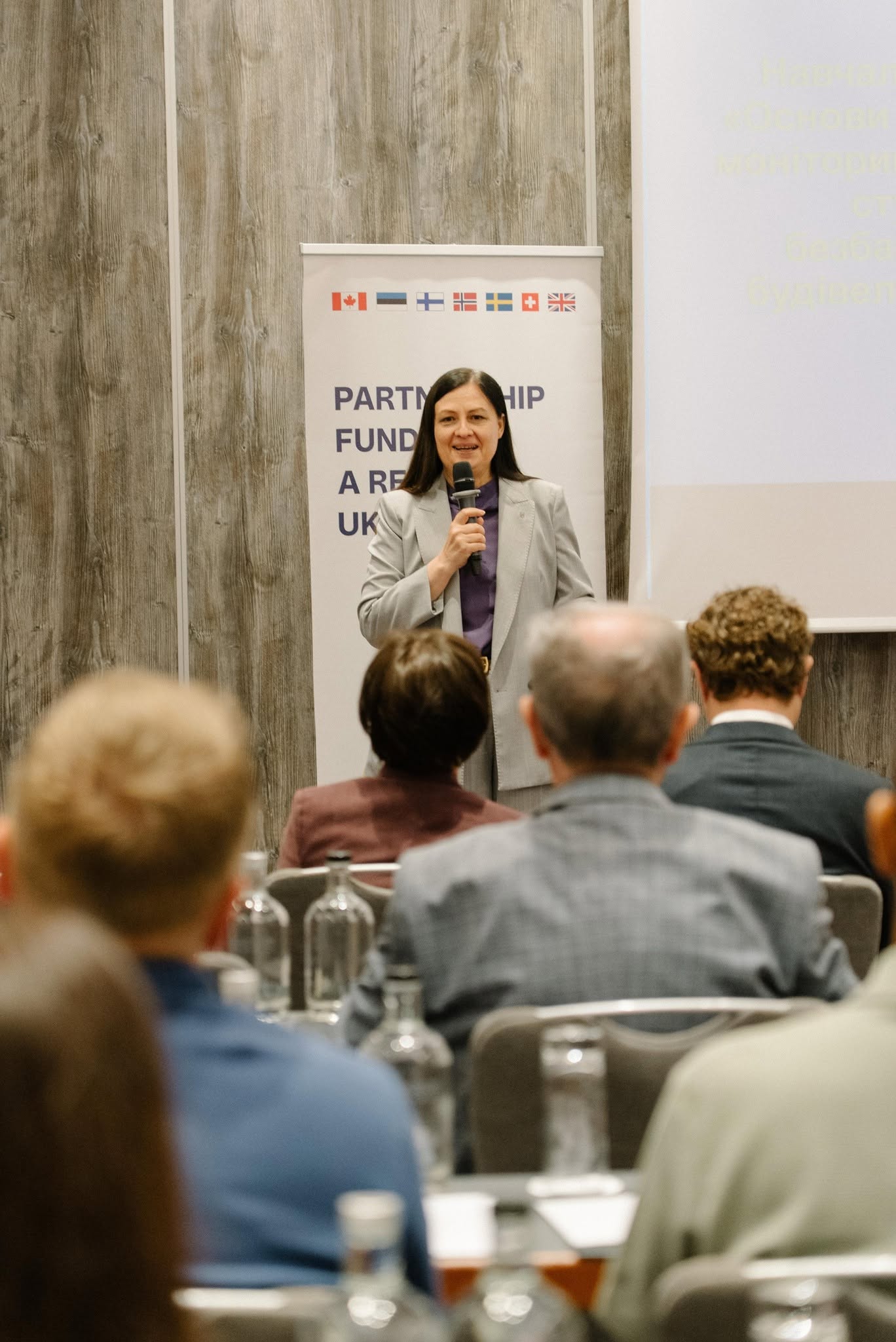
The opening was also attended by Deputy Minister Nataliia Kozlovska, the President of Ukraine’s Adviser and Commissioner for Accessibility Tetiana Lomakina, and Oleksii Mykhailychenko, director of the Resilient Population project of the Partnership for a Strong Ukraine programme.
The training was organised at Minregion’s initiative with support from the Partnership for a Strong Ukraine programme to strengthen the practical preparation of teachers who will subsequently teach students under the “Physical Accessibility Specialist” educational programme.
Representatives of construction, architecture and technical universities from Kyiv, Lviv, Kharkiv, Dnipro, Chernihiv, Lutsk, Ivano-Frankivsk, Poltava, Zaporizhzhia, Vinnytsia, Sumy and Cherkasy joined the training. It will last three days and combine theory and practice.
Participants will study government accessibility policy, the National Strategy for Creating a Barrier-Free Environment until 2030, international experience and the requirements of building codes and standards.
A separate module is dedicated to practical monitoring. The final stage will be an inspection of real sites: buildings, streets and transport infrastructure.
Teachers will also receive methodological tools for working with students, including practical cases, assignments and approaches to analysing real situations.
Currently, 17 Ukrainian universities are already training accessibility specialists.
The educational programme was developed in cooperation with relevant universities and agreed with the Ministry of Education and Science. It establishes common approaches to training specialists while allowing universities to adapt instruction to their own educational programmes.
The initiative was implemented with support from the Partnership for a Strong Ukraine programme, funded by the governments of the United Kingdom, Estonia, Canada, Norway, Finland, Switzerland and Sweden