Diia

This website is in test mode
We apologise for any temporary inconvenience. The information on this website is continually updated and expanded.

We apologise for any temporary inconvenience. The information on this website is continually updated and expanded.
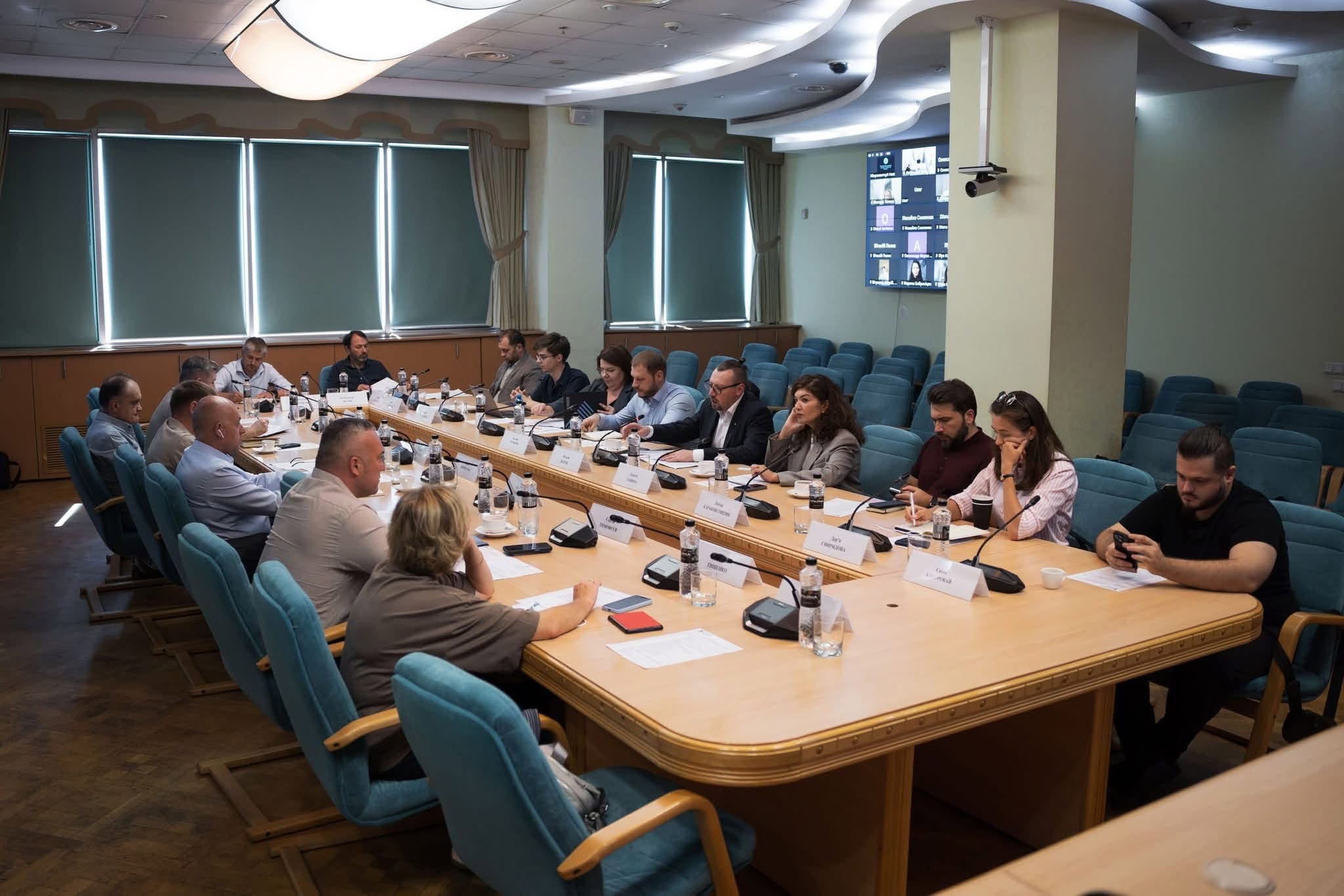
Today, Vitalii Bezghin, Minister for Communities, Territories and Internally Displaced Persons, met with the document’s authors — representatives of state bodies, parliament and experts.
Several fundamental points were identified.
▪️ Continuity of implementation. The new Strategy must enter into force at the same time as the previous one expires.
▪️ Clearly defining who coordinates and implements the Strategy and is responsible for the result. Also defining the governance approach after de-occupation: a stabilisation phase, a transitional period and the gradual restoration of full civilian self-government.
▪️ Rapid return of public services. There must be no institutional vacuum after territories are liberated.
▪️ A personnel reserve, the operation of relocated educational, medical and other institutions, specific state policies after de-occupation, and secured funding — all of this must be worked out in advance.
▪️ The Strategy must take account of the specific features of the territories, including the Crimean Peninsula and the state policies already developed for it.
▪️A separate component concerns protecting and restoring the rights of children affected by Russian aggression in the occupied territories.
Minregion will systematise the proposals and send the draft to executive authorities and regional military administrations.
“I am grateful to everyone working on a document of strategic importance to the country. In particular, I thank Tamila Tasheva and the working group at the relevant Committee on State Power, Local Self-Government, Regional Development and Urban Planning for the work already done. In fact, this is the first comprehensive strategy that systematically sets out the state’s actions at all stages of de-occupation and reintegration,” Vitalii Bezghin stressed.