Diia

This website is in test mode
We apologise for any temporary inconvenience. The information on this website is continually updated and expanded.

We apologise for any temporary inconvenience. The information on this website is continually updated and expanded.
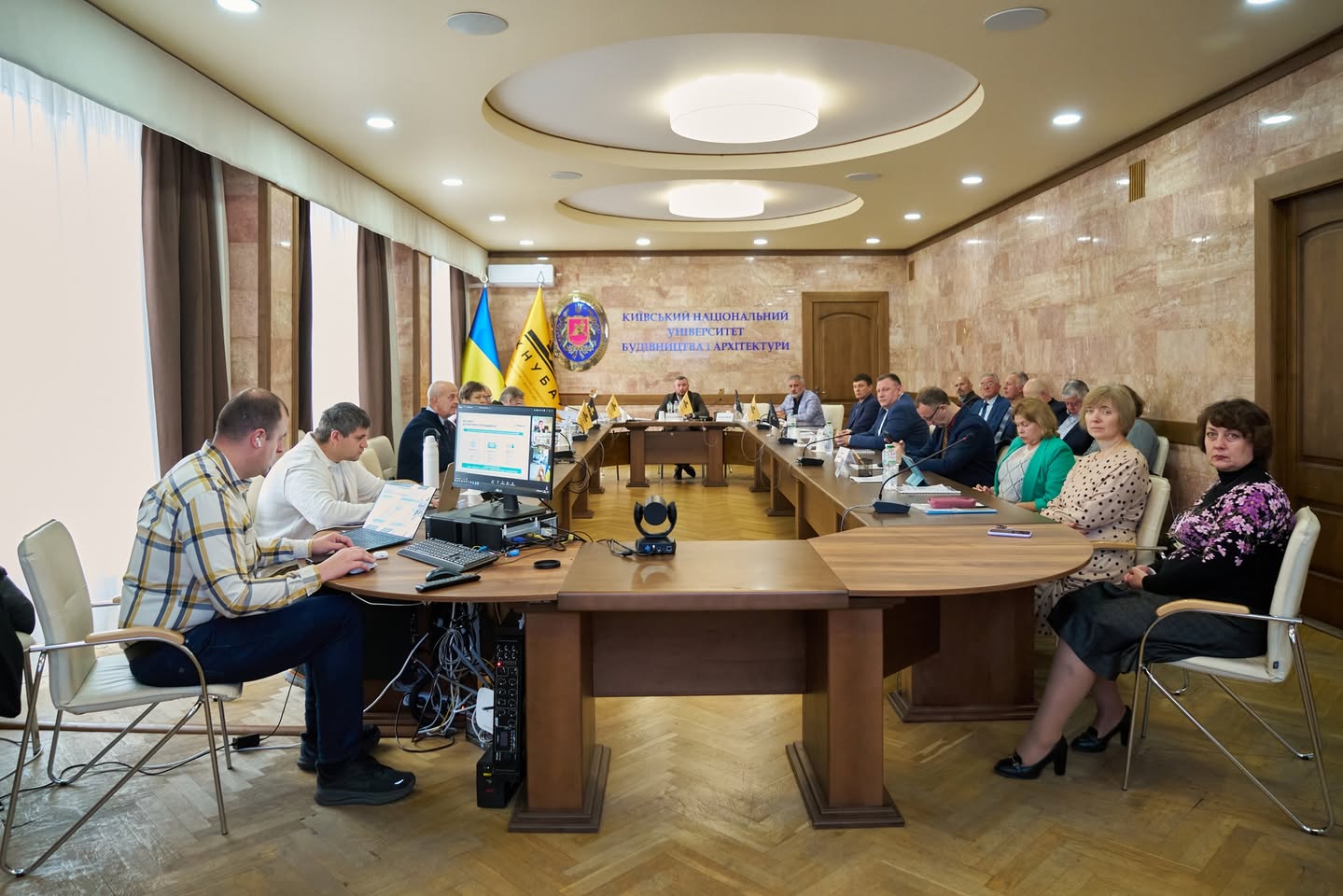
Engaging researchers and construction industry specialists in the introduction of building information modelling (BIM technologies) was one of the topics of the International Scientific and Technical Forum “Architecture, Construction, Design: Technologies, Management, Resources”, organised by the Kyiv National University of Construction and Architecture. Deputy Minister for Communities, Territories and IDPs of Ukraine Nataliia Kozlovska presented the proposed model for integrating BIM into the construction industry and a phased plan for the transition to new approaches.
Minregion regards BIM as a comprehensive system for managing information about a facility throughout its life cycle, from planning and design to construction and operation. This approach will enable better coordination of design decisions, timely detection of errors, and verification of work volumes and cost estimates, which will also significantly improve the efficiency of public investment management.
Under the proposed model, BIM will be mandatory for specified categories of publicly funded facilities. For other public facilities, the decision will be made by the project owner, while use of the technology in private projects will remain voluntary. All these approaches are already incorporated in draft law No. 6383, developed by Minregion.
“The law is only the first element of the system. We need methodology, standards, digital tools, trained project owners and specialists, and clear rules for working with information,” Nataliia Kozlovska emphasised.
The transition to BIM requires time and preparation by all participants in the construction process: project owners, designers, experts, contractors, technical supervision specialists and facility operators. The ministry therefore proposes a phased approach that takes account of market readiness and allows the necessary regulatory, digital and educational solutions to be prepared.
Presenting the model to the academic and professional community should help identify what needs further work before implementation. In particular, Minregion invites relevant universities to cooperate on specialist training and the development of common approaches to standards.